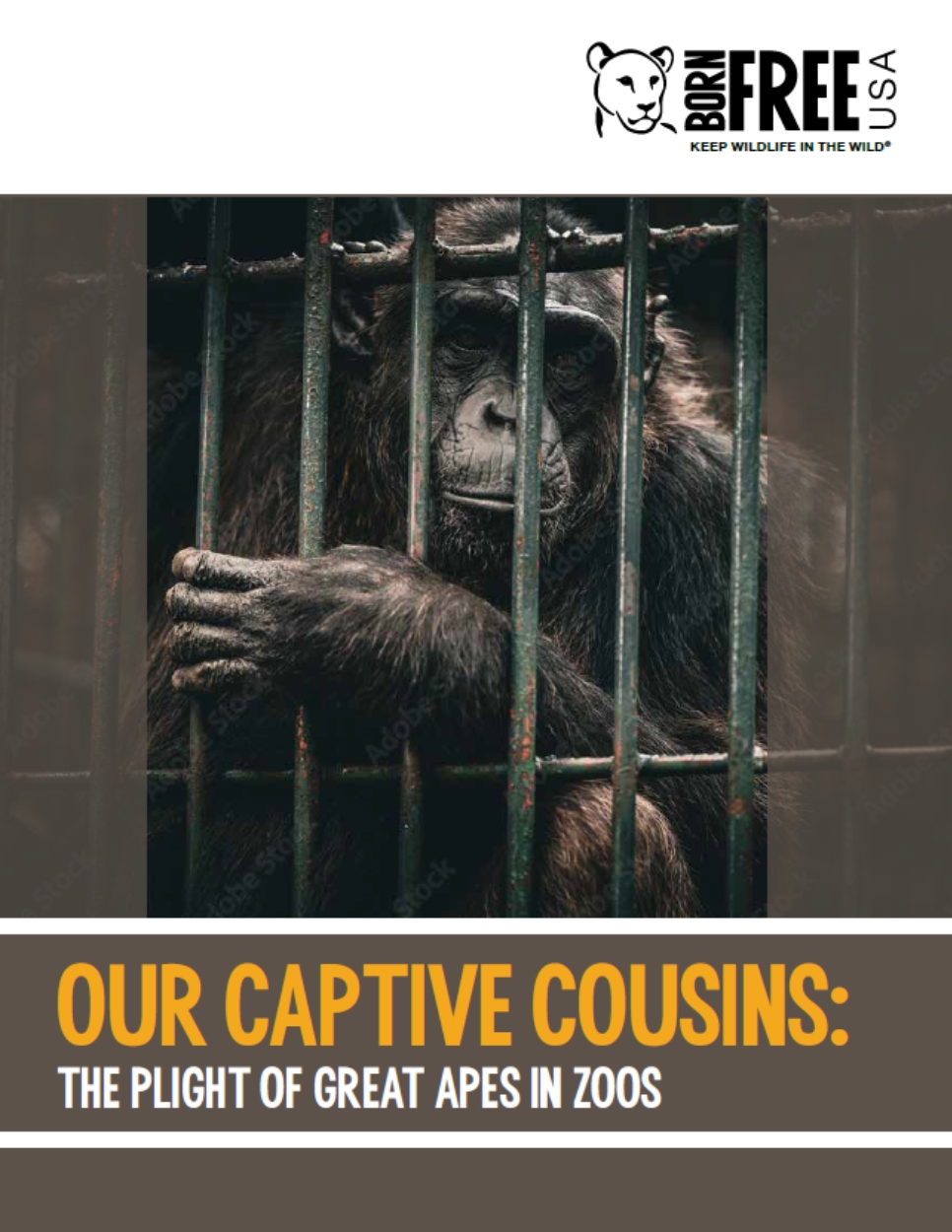
Our Captive Cousins: The Plight of Great Apes in Zoos (2025)
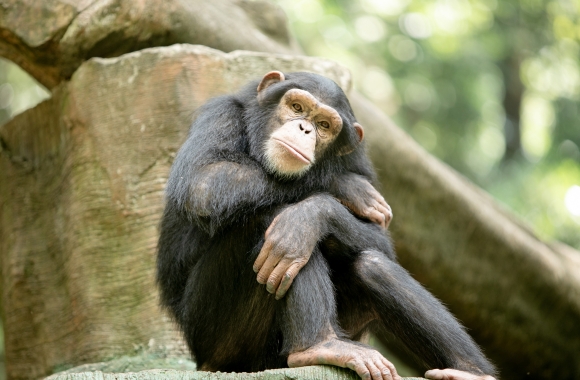
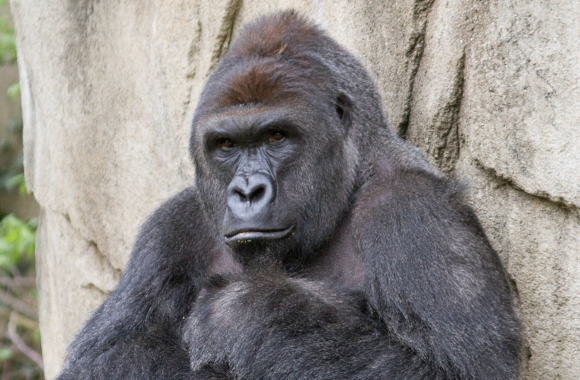
Great apes are often referred to as our closest cousins, and rightly so. Science tells us that we share more than 98% of our DNA with other apes, but what does this mean for us and them? It means that we all have long childhoods, long lives, and the need to live in communities of family and friends. It means that we share a remarkable level of intelligence and consequent need for mental stimulation. It means that we suffer when treated poorly.
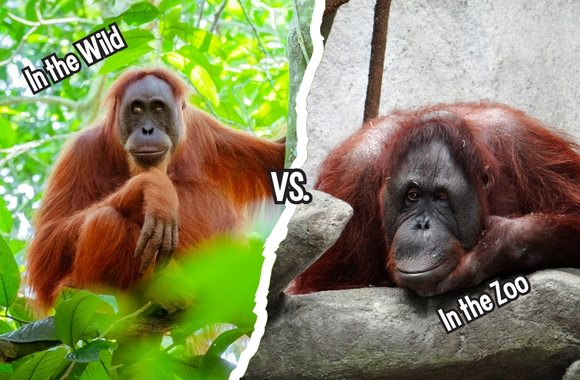
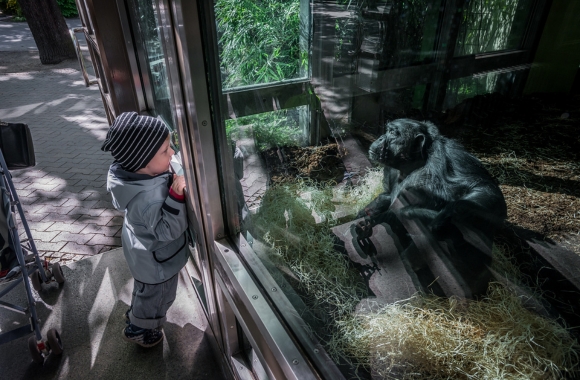
It means that we value our freedom. Great apes in zoos are so like us, and yet we deny them all of these things; reducing them to exhibits for our own entertainment. This report explores the landscape of captive great apes, considering their health, welfare, living conditions, and the safety risks they pose to us and other captive animals, among other issues. It should not come as a surprise that our great ape cousins die young in zoos, they suffer injury due to enforced close proximity with others, and they pose a serious safety risk to their caregivers and zoo visitors. Disturbingly, the use of pharmaceuticals to curb depression and other mental health conditions in captive great apes is well documented. Stereotypies – repetitive behaviors that signal severe mental distress – are rife in great apes in zoos.
The result of this research points in one direction: towards the need to end great ape captivity for human entertainment in zoos.