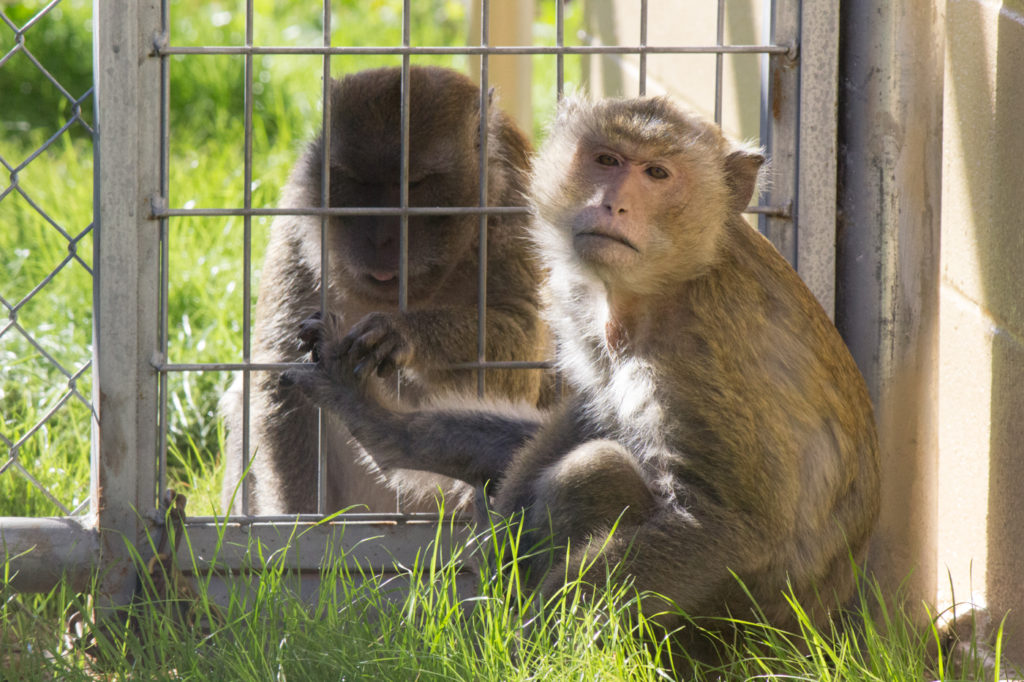
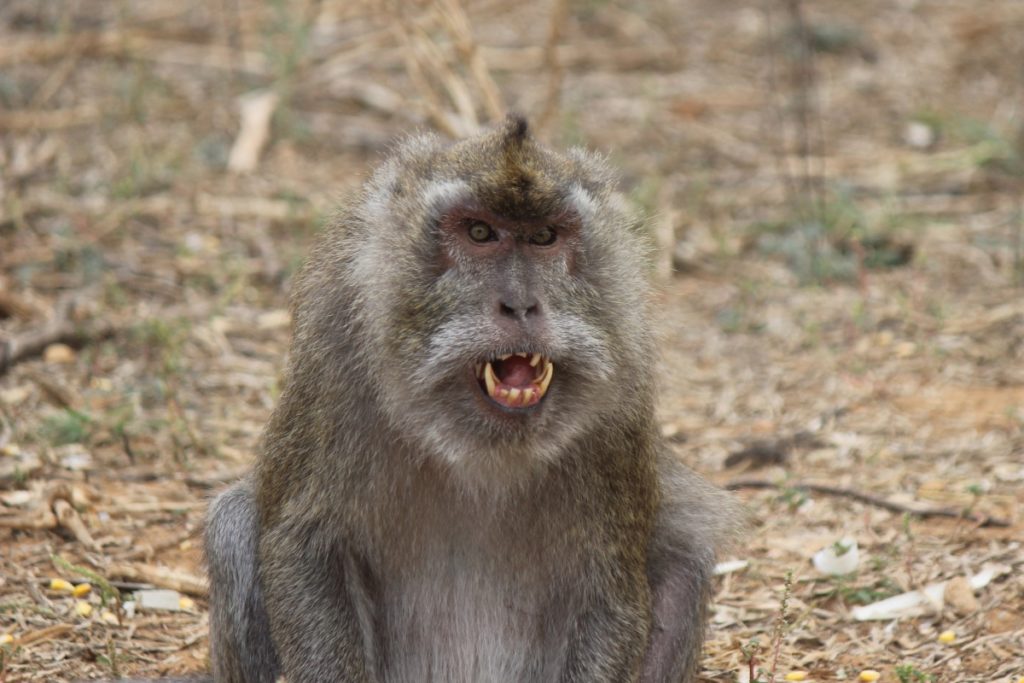
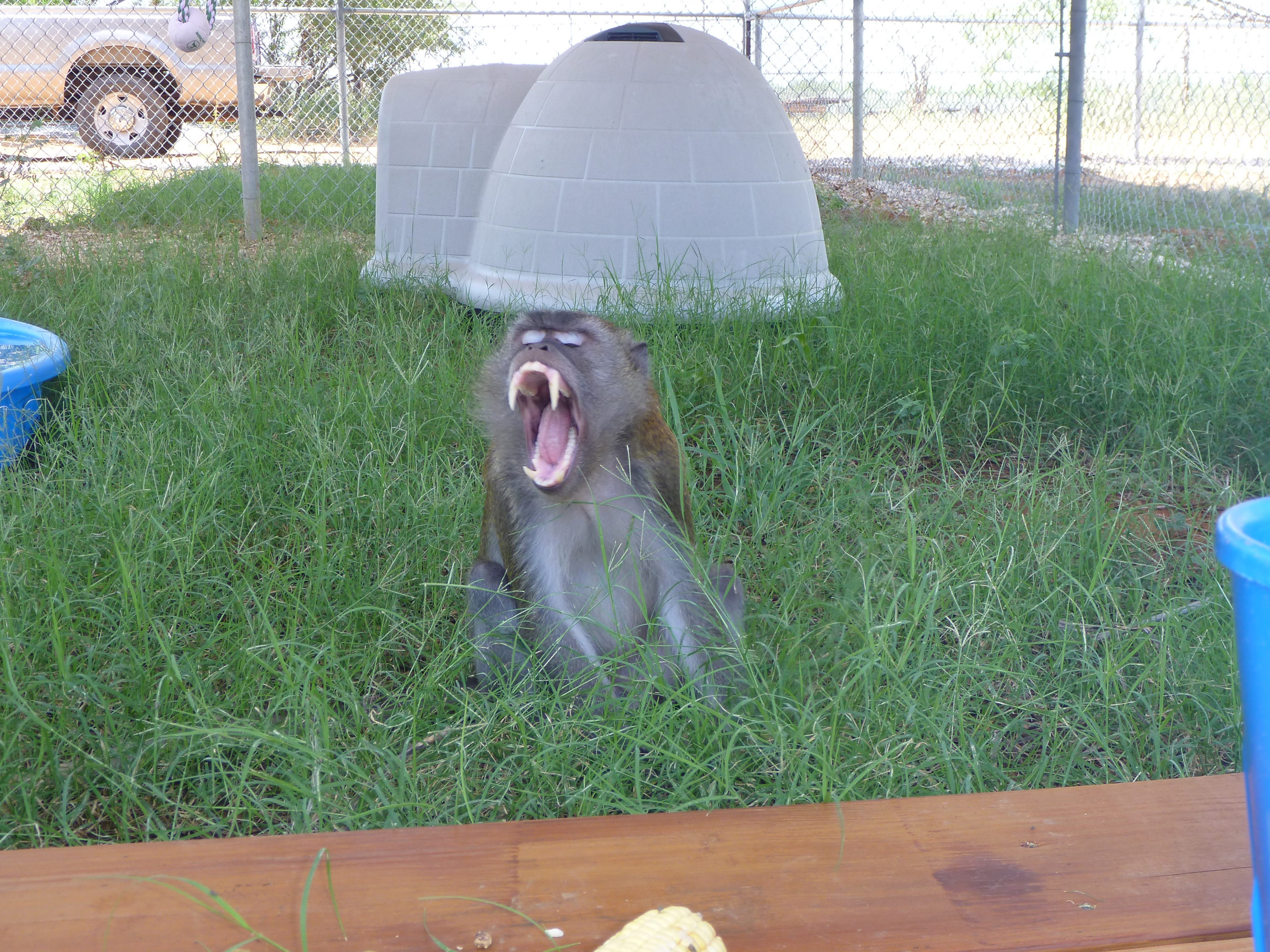
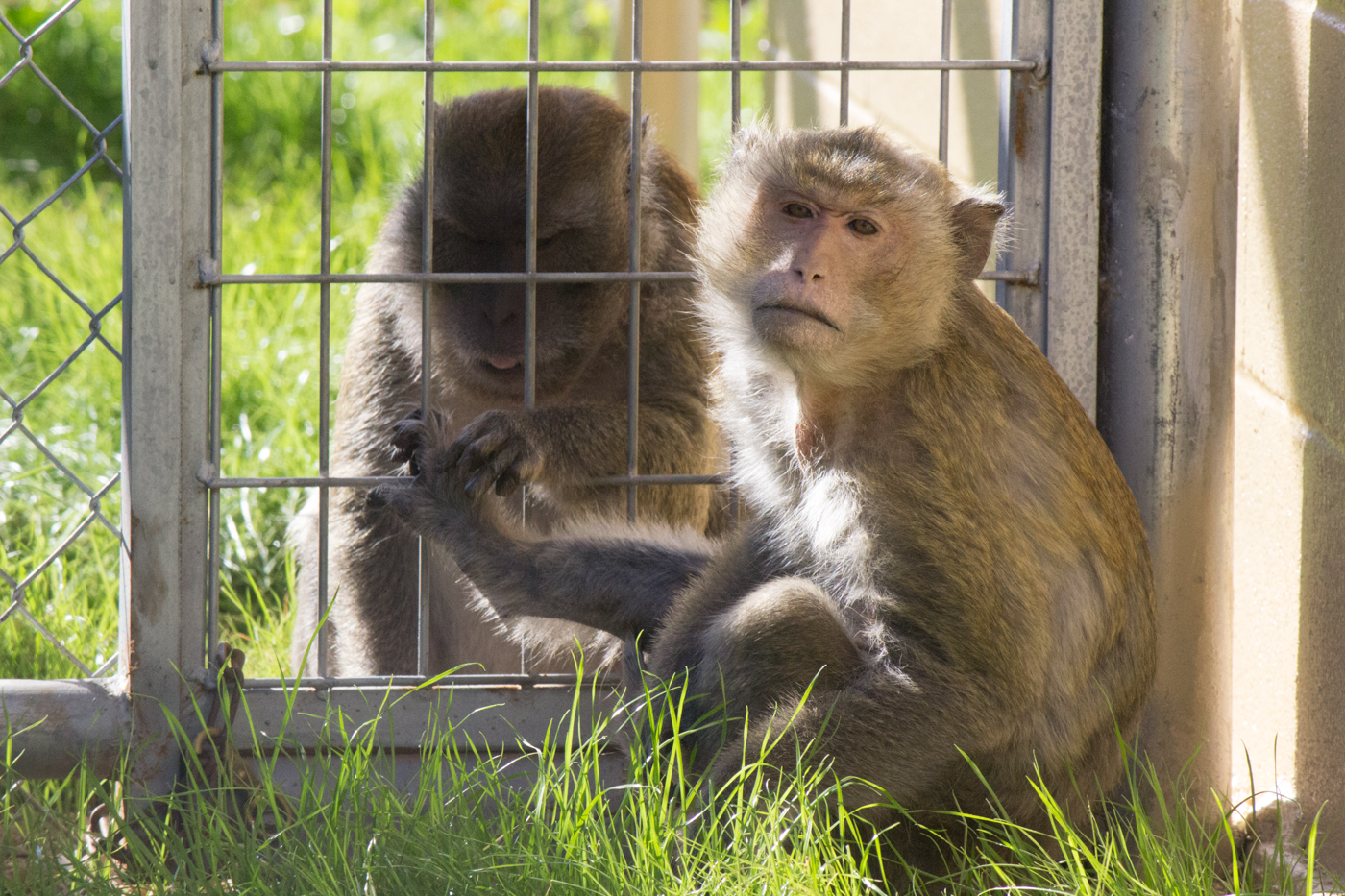
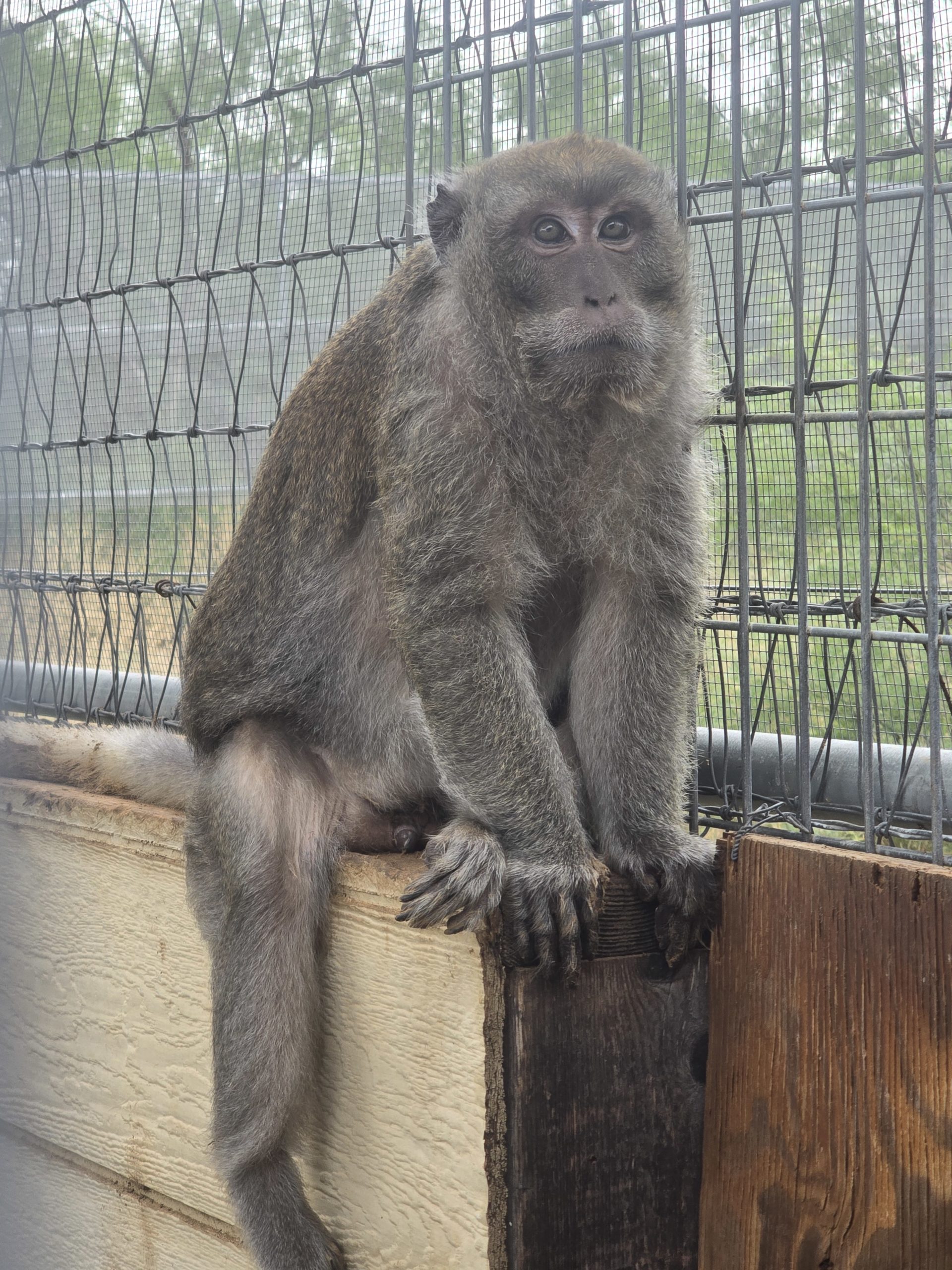
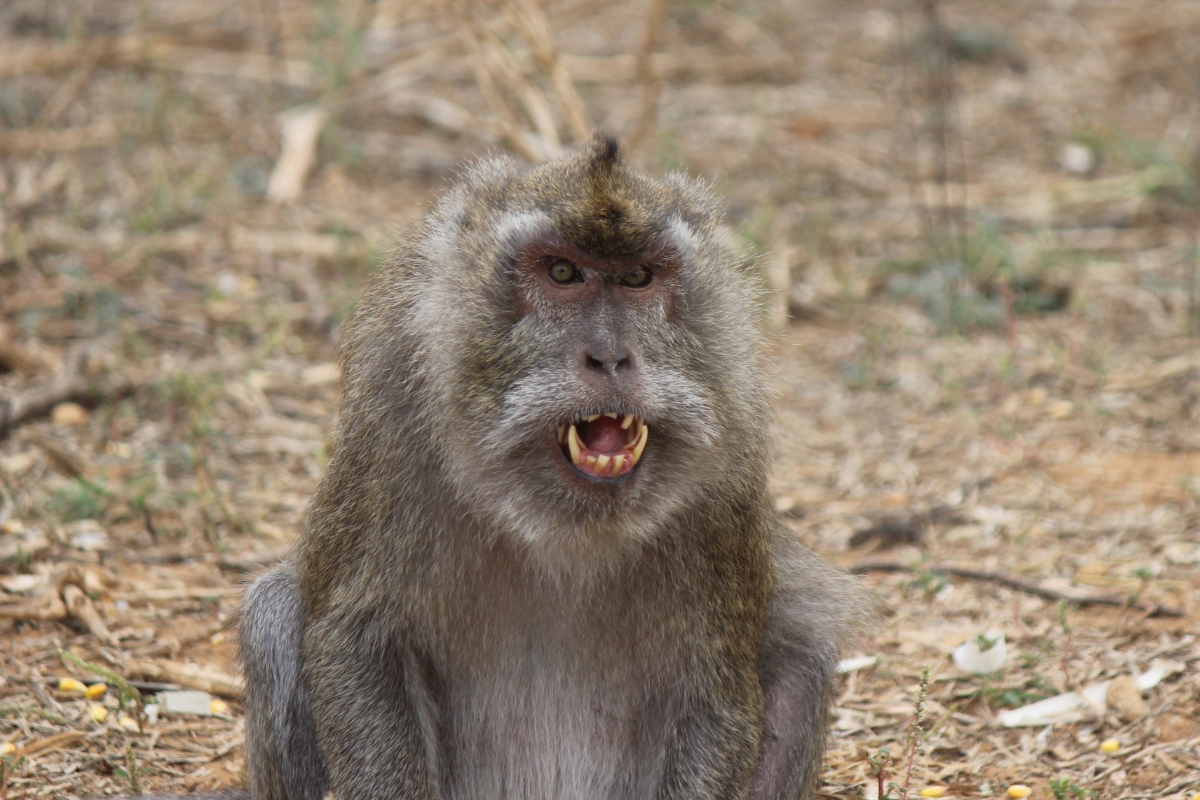
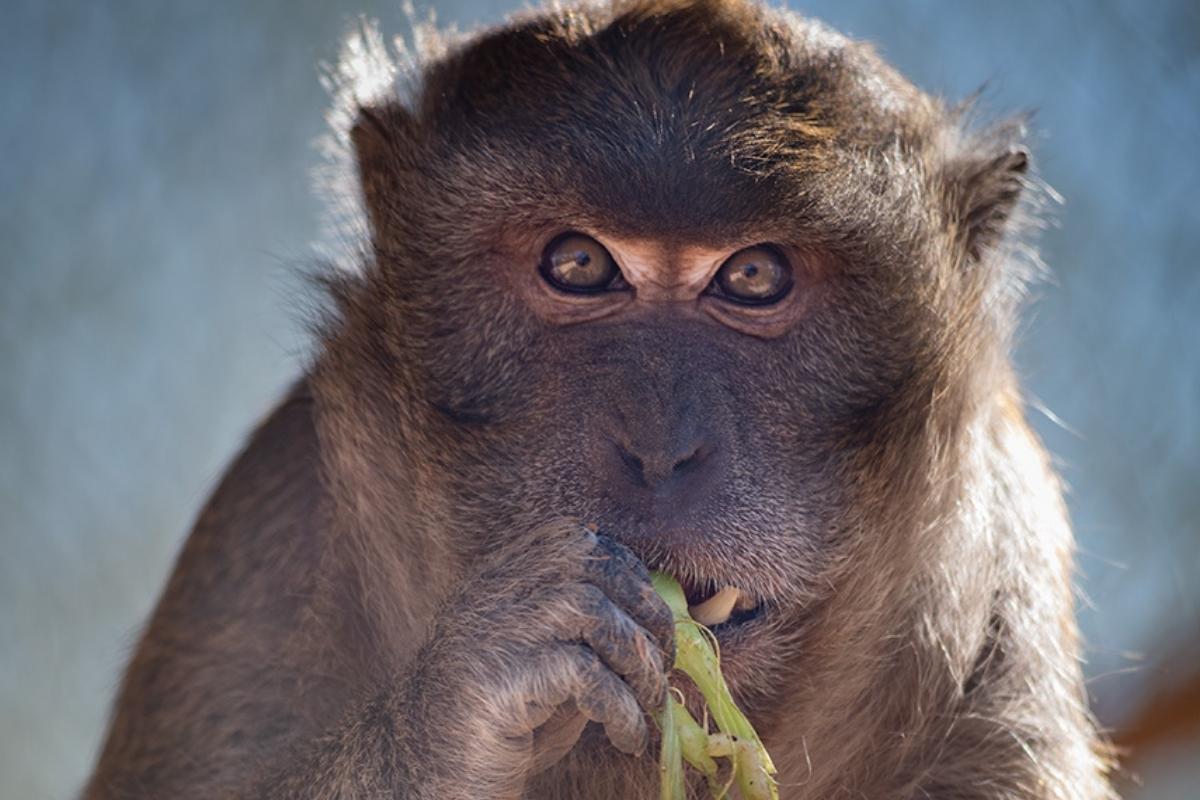
Meet Freeman!

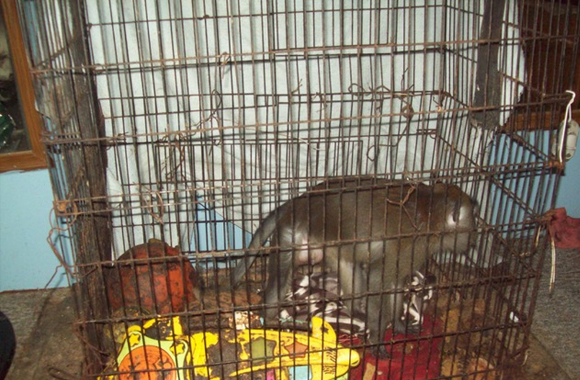
Freeman is a male adult long-tailed macaque born in 2001. He was rescued in 2012 after enduring some of the worst conditions our staff had ever seen. Confined to a small dog transport crate for ten long years, Freeman was never allowed out of his tiny, dirty prison. He was kept in a dark room with no natural light or fresh air, and his crate was never cleaned. There were six inches of feces on the floor covering the few toys he had been given. But Freeman did not give up; something made him hold on until he was finally rescued. When he arrived at the sanctuary, his new life began.

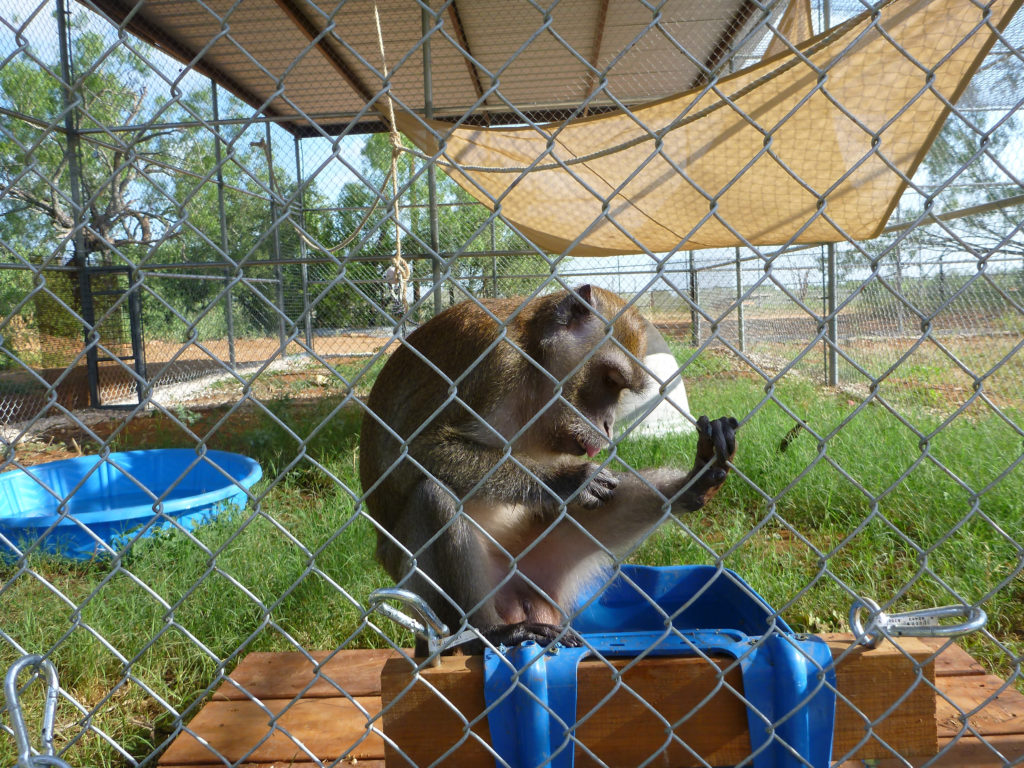
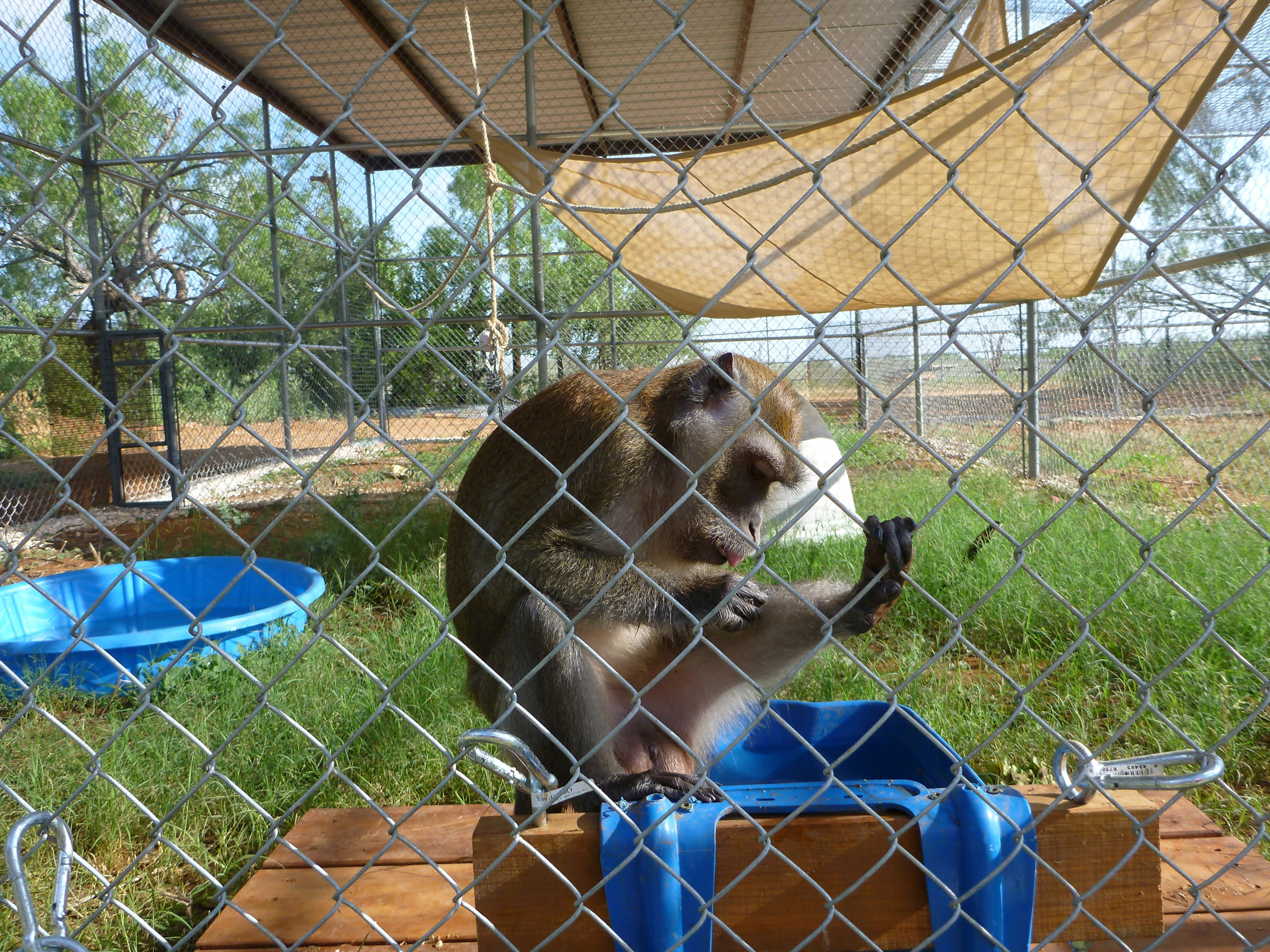
Incredibly, despite his terrible early life, Freeman grew into a well-adjusted and happy monkey. He eventually made strong friendships with fellow long-tailed macaques, Sissy, Franklin, and Felix, and the three would often spend their days doing regular monkey activities like grooming each other and foraging for food. Freeman has a particular love of water and, if given the opportunity – whether it be in puddles after heavy rain or in his play pool given to him by staff – he will be found happily splashing around.

Freeman the long-tailed macaque


Explore Freeman’s Story

JUMP TO:


Part 1: Freeman’s Early Life

Freeman is 24 years old and has been at the Born Free USA Primate Sanctuary for 13 years! His life before he was rescued was very sad but, once he arrived at the sanctuary, he soon settled in nicely to sanctuary life. Keep reading to find out about how Freeman ended up at the Born Free USA primate sanctuary many years ago, and how his journey inspires us to help other monkeys in need!

Freeman was once kept as a pet in a private home, where he lived in a tiny, filthy cage. Photo: Born Free USA

Ten Long Years in a Cage

In 2012, Sandy, Freeman’s human next-door neighbor, helped organize his rescue after he was forced to live ten long years in the same small dog crate that was never cleaned in a dark room. Sandy first saw Freeman in 2010 and was shocked to see his sad, tiny living conditions, with barely enough room to take more than a couple steps in any direction. She determined that she would do whatever she could for him to ease his suffering. She brought him treats whenever she was able to and tried to interact with him to relieve his stress and keep him company, all the while encouraging his owner to release him to a sanctuary or at least improve his living conditions.

Keep reading clicking EXPAND below!

Freeman was Forced to Eat Table Scraps and Dog Food

During his time as a pet, Freeman was given just table scraps and dog food to eat for an entire decade. He was treated unkindly by his owners – they gave him drinks and other things to make him sick. They thought this was funny. He never saw another monkey and must have been very lonely. Long-tailed macaques in the wild live in countries in Asia, including India, Cambodia, Malaysia, Philippines, Singapore, Thailand, and Vietnam. These countries are thousands of miles away from where Freeman was stuck in his crate in the United States. Long-tailed macaques are just one species of macaque monkeys; there are 25 species of macaques across Asia, and one species, called the Barbary macaque, in Northern Africa.

Desperate to help Freeman, Sandy began contacting sanctuaries all over the country to find a good home for him, but the part she thought might be easy was getting hard:  sanctuaries were full, and she began to worry that the owner might change her mind if she could not find a suitable home right away.  After years of trying and once she discovered that Born Free USA was able to give Freeman a home, Sandy was finally given permission to make the 28-hour drive from Midland, Michigan, to south Texas to help give Freeman a better life at the Born Free USA Primate Sanctuary.

From that point, things moved quickly. Sandy loaded Freeman into her truck and headed to south Texas, where the warm sun, feeling of grass underneath his feet, and a new life awaited Freeman for the first time.

Freeman Finally Received Veterinary Care Once He Was at the Sanctuary

We were told that Freeman had received no veterinary care during his life and had not been tested for or vaccinated against diseases that can be passed between humans and animals, so once Freeman arrived at the sanctuary, he had to be quarantined (kept in a special enclosure separate from all other monkeys) to make sure that he wasn’t sick and that he wouldn’t make anyone else sick. Right away, Freeman excitedly looked out from his living space at all the other monkeys he could see, copied their facial expressions to try to communicate with them, and curiously watched the human staff members work throughout the day. On day one, Freeman was already showing signs that he would be able to adjust to a more normal monkey life in his new home. We knew that it would be a long road to recovery, but Freeman showed us that he would be up to the task.

Why Keeping Monkeys as Pets Is a Bad Idea

At this point, you might be wondering: why do monkeys kept as pets need to be rescued, and why is keeping monkeys as pets a bad idea? The pet primate trade is a cruel business that starts with a baby being taken from their mom and other family members to be sold for profit. Sometimes, primates are taken directly from their wild homes in Asia, Africa, or central and South America to supply the pet trade, which can cause some species to become more endangered with extinction (meaning that these animals would eventually disappear in the future).

People are lied to by the people selling them to make them think that primates make good pets, when really, they are wild animals and cannot be happy living inside someone’s home or backyard. Monkeys need the freedom to move, climb trees, swim, look for food, live with their families, and make friends to be happy. In the wild, many primates travel several miles per day! When they are kept as pets and they are unable to do many of these normal behaviors, they can become frustrated and angry towards friends and family members, which is dangerous to everyone in the community. Many primate pet owners, even of the smallest monkeys, have been attacked and seriously hurt as a result. Some have even lost fingers, ears, and other body parts to monkey bites. 

Reflections on Part 1

Suggested Discussion Questions

  • Why don’t monkeys make good pets?
  • Why would monkeys suffer being kept in a house or backyard in a cage versus staying in the wild?
  • Why is the pet trade harmful to primates?
  • What species of primates are the most endangered (great apes, lemurs, and gibbons)?
  • What factors cause primates to be at risk of extinction (the pet trade, climate change, and habitat destruction)?
  • Can you point out long-tailed macaques’ natural range in the wild on a map (India, Cambodia, Malaysia, Philippines, Singapore, Thailand, and Vietnam)?
  • How far away is their natural habitat from you? How long would it take you to get there?
  • How different does the environment, climate, and food look in that part of the world compared to where you live?

Suggested Activities

Draw a picture of a monkey living in the wild and another picture of a monkey living as a pet. What are the main differences you see? What do they have in the wild that they do not have as a pet?

Describe what the following words mean:

  • Primate – a word for all species of apes and monkeys, apes also include humans!
  • Quarantine – place of isolation in which people or animals that may have been exposed to infectious disease are placed until it is confirmed that they cannot make anyone else sick
  • Primate sanctuary – a retirement home-like facility that houses primates rescued from traumatic situations/environments for the rest of their lives, which gives them the best chance at having a life as close to how they would live in the wild as possible
  • Extinction – the process of a species, family, or other group of animals or plants having no living member/being no longer in existence

Part 2: Welcoming Freeman to the Primate Sanctuary

Now that he was free of his horrible, tiny former home, Freeman wanted as much space to live in as possible. Because quarantine spaces are smaller than permanent enclosures, Freeman began to feel frustrated while he waited to move into his forever home and meet monkeys. His isolation period went on longer than we had first hoped as some of his testing for illness took longer than we had planned. The longer Freeman spent in the quarantine space, the more frustrated he became. To help reduce his stress and protect the staff from Freeman scratching or biting them, the team focused on finishing his new, much larger enclosure, where he would have one big area all to himself. Planning ahead, we made sure there were two other spaces right next to him in which we could eventually place new monkey companions for him to meet.

Freeman in his new enclosure after arriving at the sanctuary.

Freeman Was Delighted by His New Home

When Freeman saw his new enclosure, his entire attitude changed. He quickly seemed to forget about threatening us and immediately stood up on his back legs, trying to see everything at once as we approached his brand-new space, his head on a constant swivel.

As he entered his new enclosure, he looked around carefully, seeing many things for the very first time: the sky above, grass, trees, open space, structures to climb on like ladders and wooden platforms, and—most excitingly—other monkeys across the way. He walked deliberately around the new enclosure to explore, his underdeveloped legs moving stiffly and carefully as he walked more than he had in his entire life spent being kept as a pet. Sadly, most monkeys we have rescued from being kept as pets are extremely weak, malnourished, and pale from being kept inside in a small cage, not being able to move their muscles properly, never seeing the sunlight, and not getting enough nutrients from eating unnatural human foods.

Continue reading by clicking EXPAND below.

We Aim to Make the Sanctuary Environment Resemble the Wild as Much as Possible

At the sanctuary, we always try to make sure the monkeys can live their lives in a way that is very similar to how they would live in the wild. This goal is always at the top of our minds when we design enclosures. This is also why we try so hard to make sure we can find a good companion for all of the monkeys we rescue. But, living in an enclosure that is smaller than what they would experience in the wild can get a bit boring at times for the monkeys, so we try to keep them busy and entertained the best ways we can. To do this, our staff make something called “enrichment,” or objects that encourage them to engage in the natural behaviors they would in the wild. We like to keep enrichment different, fun, and exciting every day, and it can range from things like puzzle feeders (putting their food like nuts and seeds inside of a puzzle that they have to work out to get the food), large toys they can throw around their enclosure, different water features like small pools or sprinklers, and adding new features to their enclosures like swings or ladders.

We Take Steps to Keep Monkeys and People Safe at the Sanctuary

We also need to make sure we protect the safety of the monkeys and the human staff at the sanctuary. To help ensure everyone’s safety, humans never share the same space as monkeys, as they can often act unpredictably and aggressively towards people. This is also partly why monkeys previously kept as “pets” cannot be released back into the wild. As “pets,” monkeys become dependent on humans for food, shelter, and other basic things necessary for their survival. Because they never learn how to look for food on their own or interact with other monkeys appropriately, most of them would die almost immediately after being released into the wild. Also, because being raised by humans makes “pet” monkeys become more comfortable around people, they may be unsafe in areas in which they could come into contact with humans.

Reflections on Part 2

Suggested Discussion Questions

  • Why is it dangerous for humans to share the same space as primates?
  • Why can’t previous “pet” monkeys be released into the wild?
  • What types of enrichment items would you make for the monkeys to help them express their natural behaviors like climbing, finding food, etc.?
  • Research “zoonotic diseases” and write a short report on what you find out.
  • In what ways might a monkey hurt a human?
  • What do you think Freeman’s favorite part of his new life was?
  • Can you think of why a pet monkey cannot be released to the wild?

Suggested Activities

Draw a picture of Freeman’s brand-new enclosure, complete with wooden structures for him to climb on, wading pool, feeding area, natural plants inside, new monkey neighbors, and anything else you think he would like. What kinds of things are the most important to include in a monkey enclosure to best resemble how monkeys live in the wild?

Write a diary entry as if you were Freeman. What things might he write about in his first days at the sanctuary? What feelings might he have experienced?

Part 3: Freeman Makes Friends

Once Freeman was moved into and fully adjusted to his new, large enclosure, we started thinking about the next step: introducing him to a monkey friend. This step almost always ends up being the most challenging for sanctuary staff with monkeys that used to be kept as pets, mostly because monkeys raised by humans in an unnatural environment do not learn how to behave normally from their monkey moms or other family members as they would in the wild. As a result, they often behave in a way that other monkeys don’t expect. Sometimes they are scared, sometimes they are angry and aggressive, and sometimes they just don’t know what to do. This can mean making friends is difficult.

Former Pet Monkeys Struggle with Natural Monkey Behaviors

Monkeys previously kept as pets can also have a hard time adjusting to living outside and eating the natural foods that monkeys would eat in the wild simply because they never had these experiences living in a home. Sometimes, after we rescue them, monkeys will refuse to walk on grass or dirt, eat natural foods like fruits or vegetables, or even drink enough water to stay hydrated on a hot summer day because they never needed to do any of those things indoors. We usually need to take extra time and care with these monkeys and take slow steps towards these goals by building extra concrete or wood walkways to help them get around their enclosures and slowly introducing healthy foods.

Trying to Find a Friend for Freeman

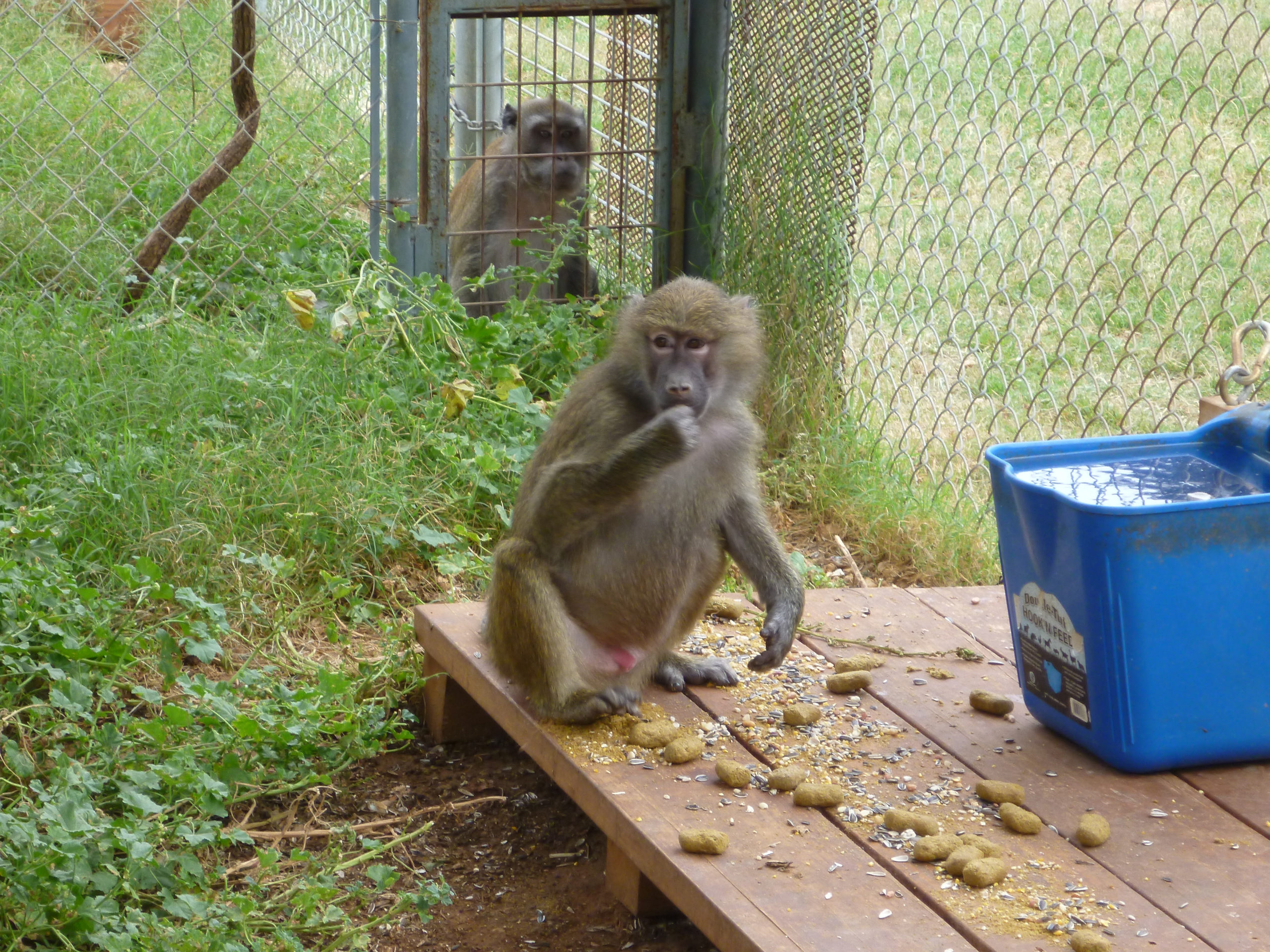
When an opportunity to introduce Freeman to a young baboon who was also previously kept as a pet suddenly came up, we jumped at the chance. We were more than a little nervous about the introduction though; the baby baboon, named Elvis, had been through a lot of change and cruelty in his short life, and we weren’t certain that Freeman would be patient enough to make it work.

Both Freeman and Elvis shared a lot of similarities, which could be a positive sign for getting along; both were victims of the exotic pet trade and stolen from their moms when they were only a few days old. They were both then unnaturally raised by humans who thought they were “cute.”

Continue reading by click EXPAND below.

In Elvis’s case, the excitement and cuteness of keeping him as a pet wore off very quickly when the woman who was attempting to raise him began looking for a new home after her husband threatened to hurt the little 6-month-old. Shortly after, Elvis was packed up and sent to live with a friend in another state.

Similar to how Freeman had kept, Elvis was forced into a small, dark carrier each night because he was already becoming too unruly in the house. These confined nights were hard for Elvis; in the wild, he would have spent almost every moment of each day with his mother until he was at least two years old. He would never have been lonely and scared as his mom and wider family loved and protected him.

Pet Monkeys Become Dangerous and Destructive as They Mature

When kept in human households, even young monkeys become highly destructive and can be a danger to themselves (and, when they grow older, to others). They can open and get into just about anything a human can and climb to places that human children could never get to. Nothing is truly out of reach or protected when a monkey roams the house, and everything in sight is tasted, chewed on, broken, or ruined.

As he got older, Elvis grew larger, and his behavior became wilder each day. Even when primates are raised around humans, they never lose their natural behaviors or instincts. When law enforcement officials became aware of Elvis’s presence in the community, the owners were notified that they would have to surrender little Elvis, move somewhere else with him, or face big fines because it was illegal to own a monkey there. Already unsure of what they were going to do as he continued to grow, they gave him to a zoo, whose staff quickly contacted the Born Free Primate Sanctuary to see if we might have room for him.

While Elvis adjusted to his new surroundings at the zoo, we met with the zoo staff to decide whether we could help him. At his young age, he would need a great deal of hands-on care, and with what he had been through, a lot of patience would be needed as he worked through his traumas. After speaking with the zoo, we felt certain that we could provide the care Elvis needed to allow him to eventually live life as freely as possible at the sanctuary. Arrangements were soon made to fly him down to us in Texas.

When Elvis first arrived at the sanctuary, he was very anxious and would scream and bark any time a man came near. We considered a number of options to help him adjust to sanctuary life, and kept returning to the question: What might Freeman think of this little guy? Since his arrival, Freeman had put on weight and developed some muscle and agility from living in his large enclosure, but he was still all by himself.

Freeman Meets Elvis!

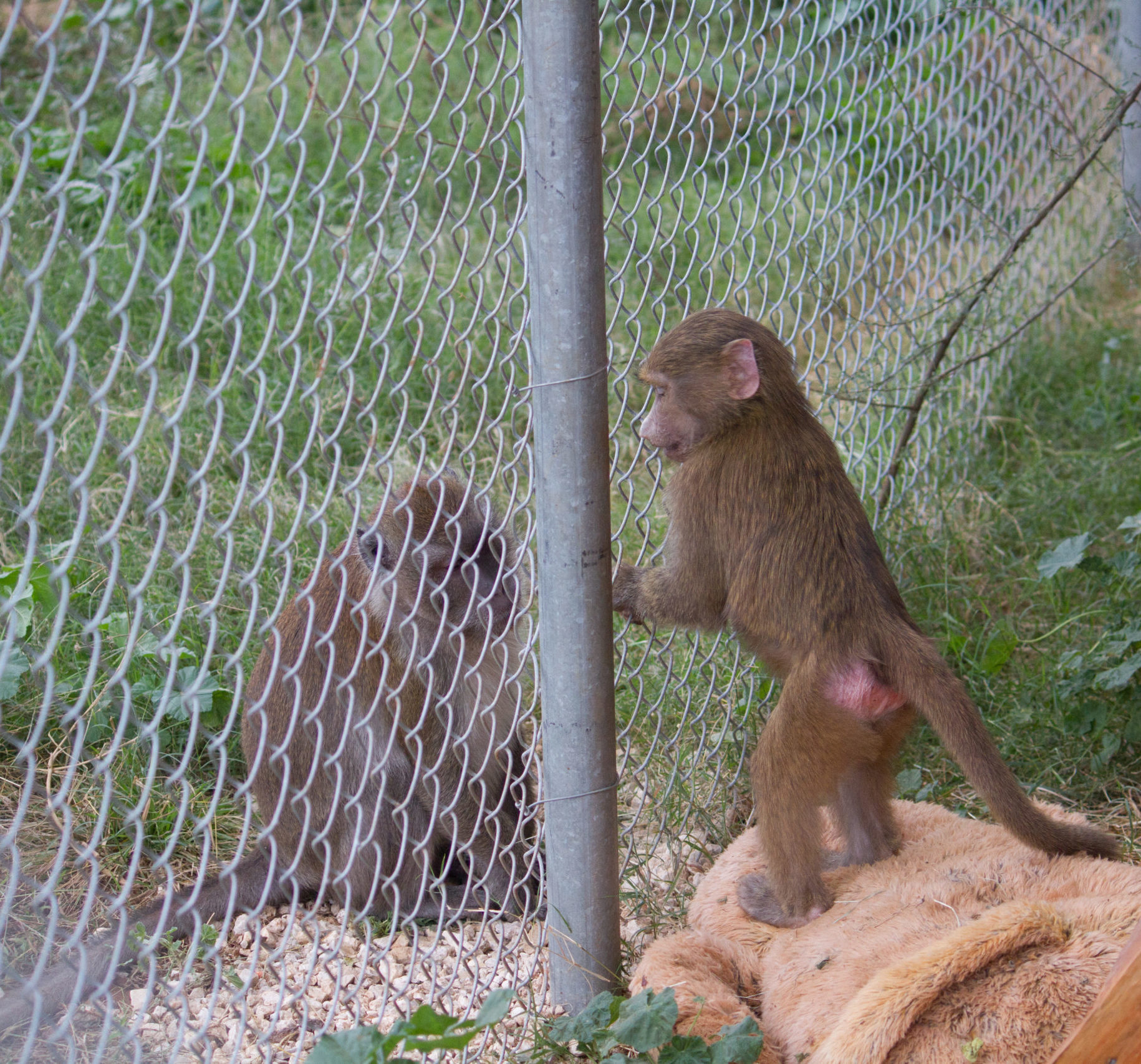
Under strict supervision, we released little Elvis into an enclosure right next to Freeman. They would not be together in the same space, but they could touch each through the fence and spend time side-by-side while we worked out if the pair could be safely housed together longer term.

Ready to help at a moment’s notice if the introduction went badly, we watched as Freeman sauntered up to the fence, sat down, and began lip-smacking at Elvis. Lip-smacking in primates is usually a friendly behavior, meaning that they like the other monkey and want to be friends with them. Shortly after receiving this friendly signal, bold little Elvis ran right up to Freeman, launched himself at the fence, and began a round of play fighting.

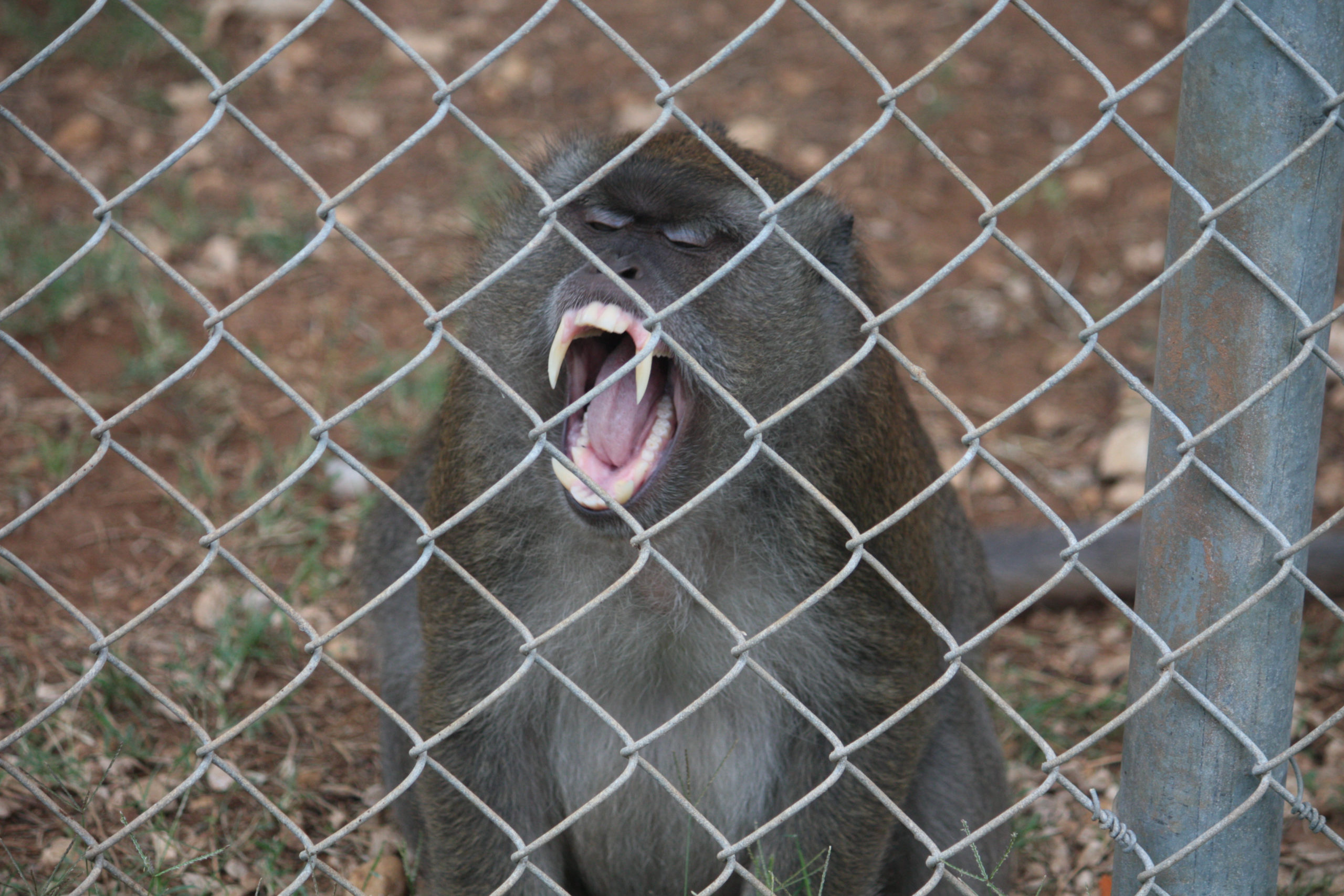
We nervously watched as they tugged at each other and play-bit each other through the fence, Freeman’s huge canines gently wrapped around Elvis’s little arm (and even his leg, tail, and head at a few moments). Elvis finally wore out his welcome and patient Freeman walked off to relax until the next playful round started. In the wild, playing like this as young monkeys is often how they learn how to behave appropriately when they get older and become part of a larger monkey troop.

Monkeys Provide Each Other with the Kind of Interactions Humans Cannot Provide

We had just witnessed yet another example of how monkeys provide each other with the type of interaction that humans cannot give them in captivity, no matter how hard we may try. Elvis and Freeman went on to live together in the same space and continued learning how to be regular monkeys, as Freeman showed everyone how patient he could be with the young baboon’s roughhousing, each of them benefitting from the other’s presence and escaping their troubled pasts a little more every day.

Reflections on Part 3

Suggested Discussion Questions

  • Why don’t “pet” monkeys learn how to behave like normal, wild monkeys?
  • Why is it difficult for the sanctuary staff to introduce monkeys that used to be kept as “pets” to other monkeys?
  • Why can’t humans give monkeys what their natural habitats and families give them in the wild?

Suggested Activities

Write a short story about a monkey rescued from the pet trade starting a new life at a primate sanctuary. What kinds of challenges do they have? Who will they meet at their new home? What kinds of new experiences will they have?

Explore the primate family tree – How closely are humans related to other species of apes (like gorillas, orangutans, and chimpanzees)? How closely are humans related to monkeys like long-tailed macaques?

Look at pictures of adult long-tailed macaques and adult olive baboons – What about these animals might make them dangerous to humans (think sharp canine teeth length, body size, etc.)?

Part 4: Freeman’s Journey to Find a Friend

Over the next couple years, it became clear that Elvis and Freeman may not be the best long-term pair, since adult baboons are more than twice the size of an adult long-tail macaque and could hurt them when they are full-grown. As a result, sanctuary staff tried introducing Freeman to several other monkeys that might better suit Freeman’s age, personality, and species.

Trying to Find the Right Friendship Fit for Freeman

Always searching for better opportunities for the monkeys to help give them the best possible lives at the sanctuary, our caregivers noticed that Freeman seemed to catch the attention of a few of the monkeys living in the enclosures nearby. First, it was Chappy, a long-tailed macaque like Freeman who was rescued from being used in science experiments in a laboratory. As a test subject in a lab, Chappy lived in a very small cage indoors and was forced to live a very lonely life before arriving at the sanctuary, just like Freeman.

Freeman and his friend Chappy.
Freeman meets Chappy, another long-tailed macaque, in a new enclosure!

Continue reading by clicking EXPAND below.

Unfortunately, Chappy’s time in the lab made him a very anxious monkey; he was terrified of loud noises like thunder, didn’t like the dark, and was very particular about his environment- if anything was the least bit dirty, uncomfortable, wet, or cold, Chappy was unhappy. As a result, we frequently would find him in his indoor shelter, wrapped up tightly in a fleece blanket, refusing to come out unless the weather conditions were near perfect.

Slowly, staff began noticing little signs of a possible friendship between Freeman and Chappy. Both monkeys greeted each other by lip-smacking, making friendly noises, and trying to move closer to each other despite the fences that separated them. After seeing these interactions more and more often, we decided to move Freeman right next to Chappy in a different enclosure in 2016. As they continued to get more comfortable with each other, we decided to allow them to share the same enclosure for the first time. To our delight, they continued to get along and even began grooming each other. Grooming is a common social behavior in primates and usually involves cleaning each other’s fur to make sure it is clear of dirt or bugs. Just like holding hands, hugging, or playing with someone’s hair does in humans, participating in grooming allows monkeys to feel a close bond with each other.

Over the next year, while Chappy and Freeman mostly enjoyed each other’s company, Freeman began to behave a little more aggressively around feeding time – particularly when the feeding involved Freeman’s favorite foods, like bananas or peanuts. Perhaps because of Freeman’s past life as a pet, where he wasn’t allowed to have anything nice of his own, he felt the need to protect these items and felt fearful that Chappy would take them away from him. To make sure that both Chappy and Freeman remained safe and didn’t hurt each other, we decided to separate them and introduce them to new friends that might be a better match.

Over the next couple years, we tried to introduce Freeman to a few other monkeys, including Theo, who was rescued from lab research, and Tamae, another ex-pet. When Freeman acted aggressively towards both of them (even injuring Tamae by biting her back a few times before we were able to separate them), we knew it wouldn’t work, but we didn’t give up hope of finding Freeman his forever friends. It can be difficult for humans to make good monkey matches in captivity, since male longtails choose who they spend their time with in the wild and often shift between different groups of monkeys throughout their lives. Unfortunately, in captivity, monkeys do not get to have the same freedom of choice, so our staff try their best to guess who might get along.

Freeman Finally Finds a Match!

Later that year, we finally found a lasting match. We introduced Freeman to fellow longtails Franklin, Sissy, and Felix. Franklin and Felix were rescued from a lab, and Sissy was kept as a pet. We started slowly and introduced Freeman to the alpha (or the boss) of the group, Franklin, to make sure they both got along before Freeman met the others. Franklin was one of the chattiest monkeys at the sanctuary- any time he would see one of the human caregivers walk by, he would loudly voice his approval (or disapproval) of their presence. In a troop of longtails, the alpha male holds the highest rank over the others, and gets the best access to food, places to rest, mates, and everything else. This dominance is determined by factors like age, size, and fighting ability.

Although Franklin seemed very nervous at the start of the introduction with Freeman, Freeman remained friendly towards Franklin. Each time Freeman got closer to Franklin, Franklin acted scared and would run away screaming. Instead of getting angry or frustrated, Freeman remained very patient and didn’t chase after his new friend. Eventually, after about one hour, Franklin got more comfortable with Freeman, and they finally made positive physical contact by gently holding each other and lip smacking. Also, excitingly, they both ate right next to each other, and Freeman did not show any signs of aggression over the food, which was already an improvement from his previous monkey matches.

Once Franklin and Freeman proved they could live together peacefully, we then introduced Freeman to the others in the group: Felix and Sissy. These introductions also went well and resulted in each of them enjoying frequent grooming and cuddling sessions with each other as they relaxed into their new routine and shared space together. This group lived happily and calmly together for the next four years, enjoying each other’s monkey company.

Freeman Suffered from Poor Health Caused by Conditions of his Former Life as a Pet

Freeman’s health as a previous pet, however, suffered throughout his time at the sanctuary. He frequently struggled with living in the outside world and had almost constant stomach issues from parasites and skin issues from the grass, dirt, and bugs. Growing up inside, “pet” monkeys do not develop the natural defenses against parasites and other environmental irritants that they normally would in the wild. They also often arrive at the sanctuary with nutrient deficiencies, especially with Vitamin D, since monkey “pets” typically do not spend enough time outside to get essential health benefits from the sun. As a result, the sanctuary veterinarian put Freeman on a strict medicine regimen to help him feel better. But, because monkeys are so smart, it can be difficult to get them to take the medicine they need, especially if it doesn’t taste good.

Luckily, the sanctuary staff are very creative and always come up with a way to get the monkeys to take their meds—even if they need to sneakily hide the taste or appearance of the medicine. Some tricks of the trade include hiding medicine in a banana, or mixing it with peanut butter or honey, or cutting the top off a kiwi, mixing the medicine with sugar-free strawberry jam, and replacing the top to avoid monkey suspicion. 
Reflections on Part 4

Suggested Discussion Questions

  • Why would it be better to try to house primates of the same species together?
  • Why do previous “pet” monkeys often have health issues when they arrive at a sanctuary?

Suggested Activities

If you had to “hide” medication in a healthy treat for a monkey (using materials available in the classroom like clay, paint, construction paper, etc.), how would you do it?  

Discuss how different species of animals have different hierarchy structures and how these influence their behaviors (e.g., long-tailed macaques, other primates like lemurs, hyenas, wolves, meerkats, and orcas). 

Part 5: Freeman’s New Friend

After sharing several wonderful years together living out their best monkey lives, Franklin sadly passed away in 2020. Then, in 2024, after Sissy experienced some health issues, she needed to be relocated to a quieter section of the sanctuary with less active monkeys to ensure that caregivers could keep a close eye on her, get her the medication she needed, and help her heal. Around the same time, we also realized that we would need to relocate Felix to a different enclosure; just like humans, monkeys can grow apart, and friendships can dissolve. This began happening between Felix and Freeman, so we knew it was time to find Freeman a new group of friends.

Freeman Meets Reggie

At the same time, another long-tailed macaque named Reggie was getting isolated from and bullied by his group and started calling to a new group of longtails across the way. Because Freeman also needed a new group of friends, we made the decision to introduce him to Reggie, who was around Freeman’s age. This turned out to be a very successful pairing – Freeman and Reggie are getting along great! They often groom each other and enjoy snuggling together at night. Although Freeman has a history of being bossy around food, he is very polite with Reggie at mealtimes. We are so thankful that Freeman has enjoyed so many fulfilling monkey friendships during his time at the Born Free USA Primate Sanctuary, which each help him overcome his past trauma just a little bit more every day.

Reggie
Reggie.

Reflections on Part 5

Suggested Discussion Questions

  • What have you learned about the primate pet trade that you didn’t know before participating in this virtual classroom adoption program?
  • Did your mind change about anything?
  • What do you think about keeping other species of wild animals as pets (like birds, fish, or reptiles)? Do you think those animals have the same challenges in captivity as primates?
  • What was something that surprised you to learn?
  • What is your favorite thing about Freeman that you learned?

Suggested Activities

Watch the Finding Sanctuary documentary.

Thank You

We hope you have enjoyed our first ever virtual classroom adoption program featuring Freeman and some of the other rescued monkeys at our sanctuary. You can continue to be involved in Freeman’s journey and receive email updates by opting in to our regular monkey adoption program, and/or adopt one (or more) of the other fourteen monkeys currently up for adoption on our website to learn more about their unique stories! We sincerely hope that this program has helped you and your students learn more about why the primate pet trade is harmful and how it impacts their welfare and conservation status in the wild.

We welcome and appreciate any feedback you have about this pilot classroom adoption program! If you have any questions, concerns, or comments, please feel free to email devan@bornfreeusa.org so that we can improve this program in the future.