Endangered Species Collage

We Must Defend the Natural World

A swathe of legal initiatives has been proposed that would strip vital protections from multiple species, including grizzly and polar bears, orcas and humpback whales, bat species, grouse, wolverines, and many others.

If these damaging plans succeed, we may see the killing of grizzly bears in the Greater Yellowstone Ecosystem, more injuries and deaths of marine mammals, the trashing of scientific rigor when making listing decisions for the Endangered Species Act, and gray wolves once again being denied legal protection from harm.

Learn more about how just some of these dangerous proposals would impact animals below.

Tell Your Lawmaker to Oppose Efforts to Weaken Vital Wildlife Protections!

It is vital that we act NOW to prevent plans to weaken wildlife protections from succeeding. Contact your U.S. Representative TODAY to ensure that protections for imperiled wildlife are maintained.

ACT NOW

How These Anti-Wildlife Proposals Will Weaken the Endangered Species Act

The Endangered Species Act protects more than 1,500 species in the United States. This foundational law is effective, and indeed essential, in the management and protection of imperiled animals across the country. New proposals would remove demands for robust scientific evidence to inform listing and delisting decisions. Instead, it would blindly accept information submitted by state, tribal, or county governments as the best scientific and commercial data available, even if the data is incorrect. It is vital that this change does not pass and that listing decisions are made based on truly sound scientific data.

Animals that Will be Impacted by Anti-Wildlife Proposals

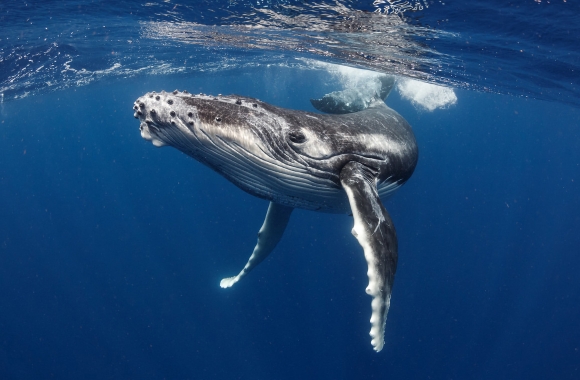
Cetaceans, including orca, humpback whale, gray whales, North Atlantic right whales, and others

Proposed changes to the Marine Mammal Protection Act that seek to gut protections for multiple cetacean species would result in changes to “incidental take” and “potential biological removal” rules. Put simply, these changes would significantly reduce controls on permissible levels of deaths of cetaceans resulting from unintentional acts, such as fishing “bycatch” and/or deaths caused by other activities such as military use of explosives at sea, among other practices. Experts predict that these rule changes would result in up to tenfold increases in deaths for some species.

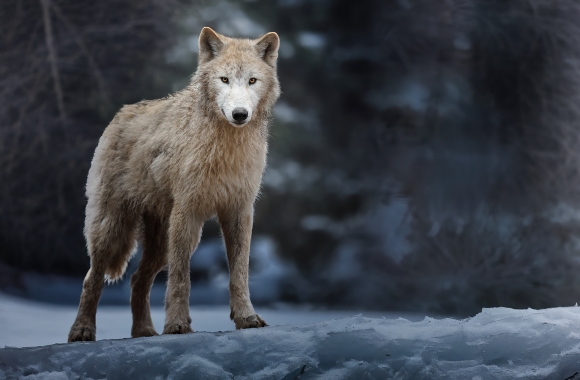
Gray Wolves

Wolves have long been the target of anti-animal legal measures with their protection under the Endangered Species Act in constant flux over time. New proposals seek to delist all wolf populations, making them vulnerable to unsustainable levels of hunting.

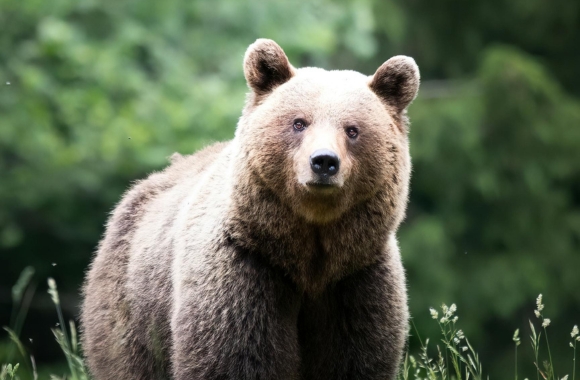
Grizzly Bears

Proposed legislation, the “Grizzly Bear State Management Act,” would remove protection under the Endangered Species Act for grizzly bears in the Greater Yellowstone Ecosystem. Importantly, this move would also block judicial review; the process by which delisting decisions can be challenged in the interests of the animals. If successful, this initiative would put grizzly bears under threat of unsustainable levels of hunting.

In addition to threats to the Yellowstone population, proposed reintroduction efforts would be blocked if new rules are implemented. This threatens the future survival of grizzly bears in their natural and historic ranges.

Manatees

Manatees suffer and die as a result of boat strikes with this being their leading cause of death. The majority of adult manatees carry scars from boat strikes. Changes to the Marine Mammal Protection Act would limit the ability to control boating access to manatee ranges, likely resulting in increased injury and death.

Monk Seals

Like cetacean species, monk seals are currently protected by the Marine Mammal Protection Act, which sets an annual mortality level which allows the species populations to grow and recover. The new proposal will redefine levels allowing for a tenfold increase in “acceptable” deaths. This would not only result in the deaths of many more animals but would put populations under threat as recovery becomes more difficult.

Polar Bears

As for sea otters and cetaceans, polar bears currently benefit from protections under the Marine Mammal Protection Act which limits “incidental take.” Incidental take means the “accidental” death of animals caused by relevant human activities. For polar bears, this includes oil and gas operations at sea. With plans to significantly weaken rules, a sharp increase in otter deaths is likely.

Sea Otters

As for cetaceans, sea otters currently benefit from protections under the Marine Mammal Protection Act which limits “incidental take.” Incidental take means the “accidental” death of animals caused by relevant human activities. For sea otters, this includes oil and gas operations at sea. With plans to significantly weaken rules, a sharp increase in otter deaths is likely.

Wolverines

Following a final rule listing wolverines as threatened under the Endangered Species Act in 2023, new proposals would remove funding to see these important protections enforced.

Mexican Wolves

A subspecies of the gray wolf, the Mexican wolf has been on the brink of extinction for many years. It is thought that the current population consists of around 286 individuals, who live in Arizona and New Mexico. Genetic diversity of the Mexican wolf is extremely limited, which slows population growth and creates the potential for inbreeding. Plans to delist the species from the ESA would be catastrophic for this imperiled animal. It is vital that we oppose the House bill “Enhancing Safety for Animals Act of 2025.”

Be an Endangered Species Defender!

Help protect imperiled animals by becoming an Endangered Species Defender!

CLICK TO DEFEND ENDANGERED SPECIES
Learn More and Dive Deeper