Born Free USA at CITES CoP20

This year marks the 50th anniversary of the Convention on International Trade in Endangered Species of Wild Fauna and Flora (CITES), a vital, legally binding agreement between governments that protects species threatened by international legal trade and provides mechanisms to address illegal trade.

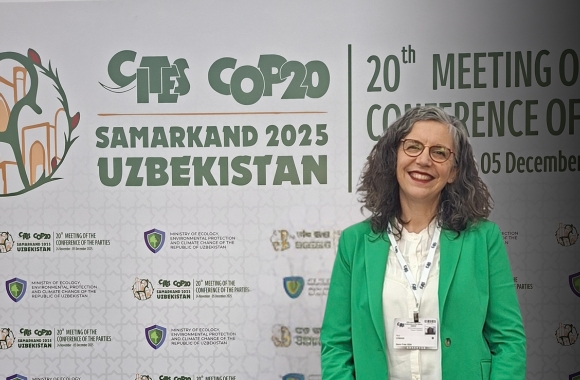
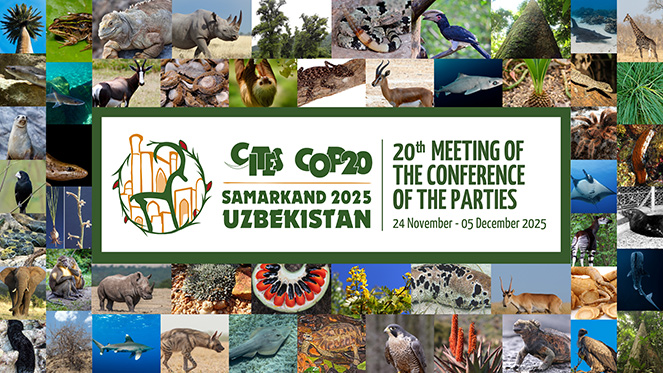
Born Free USA will attend the upcoming 20th meeting of the Conference of the Parties to CITES (CoP20) in Samarkand, Uzbekistan from November 24 to December 5, 2025. More than 2,000 delegates from 185 member countries (known as ‘Parties’) will gather to debate and decide on measures that will ensure international trade in wild animals and plants does not threaten their survival.

Follow us for CITES updates on Twitter/X, Facebook, Instagram, and TikTok, and join our email list.

CITES Cop20

How Does CITES Work?

CITES either prohibits international trade or ensures that international trade in protected animals and plants is regulated through a licensing system. There are more than 40,000 species of animals and plants listed in one of the three CITES Appendices:

  • Appendix I includes species threatened with extinction. Commercial international trade is prohibited.
  • Appendix II includes species not necessarily threatened with extinction, but in which trade must be controlled. International trade is regulated.
  • Appendix III contains species that are protected in at least one country, which has asked other CITES Parties for assistance in controlling the trade.

What will Born Free Do at CITES CoP20?

At the conference, Born Free USA will seek CITES protection for threatened species heavily targeted for the pet trade in the United States, including 15 species of tarantulas, 58 species rattlesnakes, and two species of sloths. Listed below are just a few of the many different species that Born Free USA will focus on during CoP20.

Dorcas Gazelles

These small gazelles are found in arid and semi-arid habitats across the Sahara, Horn of Africa, and Arabia. This remarkable animal does not need to drink, instead relying on water found within the vegetation it feeds upon. The gazelle plays an important role in the ecosystem as a disperser of seeds, particularly of Acacia trees. Dorcas gazelles have been heavily impacted by catastrophic droughts, degradation of pastures through overgrazing, cutting of woody plants, and habitat loss. However, population declines are mainly attributed to uncontrolled hunting, which needs to be addressed by CITES. At CoP20, Born Free USA will advocate for the inclusion of Dorcas gazelle in Appendix II (they are currently unprotected by CITES).

African Hornbills

Hornbills, with their remarkable large bills, are an iconic part of the savannah and forest landscapes in Africa. Hornbills are frugivores and play an important role in seed dispersal. These amazing birds are in decline, caused by a range of factors, including international trade in their skulls/casques and feathers. At CoP20, Born Free USA will support the inclusion of all nine species of African hornbill in CITES Appendix II (they are currently unprotected by CITES).

White-backed Vultures and Rüppell’s Vultures

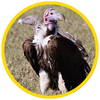
Vultures hold a unique role in African ecosystems, removing carcasses and other waste from the environment. This reduces the spread of disease and contamination of water. Both the white-backed vulture and Rüppell’s vulture are critically endangered, threatened by conversion to agro-pastoral systems, loss of wild prey species leading to a reduced availability of carrion, hunting for trade, and persecution and poisoning by humans. At CoP20, Born Free USA will support a proposal to include both species of vulture in Appendix I (they are currently in Appendix II).

Whale Sharks and Other Marine Species

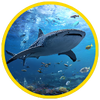
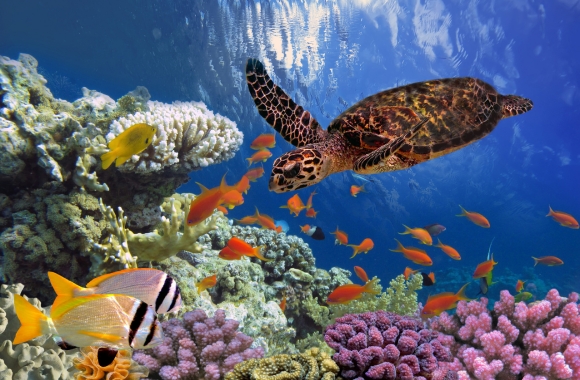
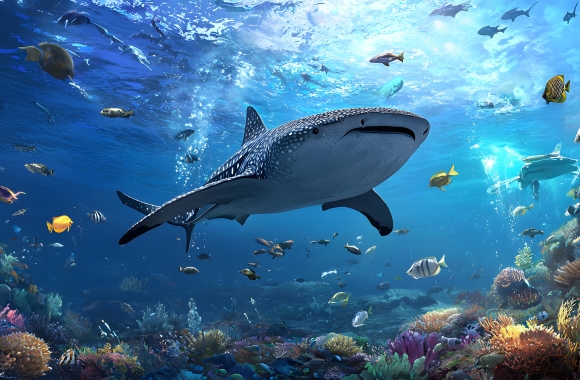
Among the many marine species being debated at CoP20 are whale sharks – the world’s largest fish species. Whale sharks have experienced alarming global population declines of 40-92% in the past three generations. Whale sharks are caught for their fins, which are considered a delicacy. Born Free USA will advocate for whale sharks to be uplisted to Appendix I (they are currently in Appendix II).

Latest News from CITES CoP20

Donate to Protect Wildlife

Protect wildlife on a global scale with a donation to Born Free USA! Your gift will enable us to continue advocating for animals at home and abroad.

GIVE NOW