With the ever-popular annual Shark Week broadcasted on the Discovery Channel every summer in July and the classic movie Jaws celebrating its 50th anniversary with numerous events planned to mark the occasion, our fascination with sharks has proven enthusiastic and consistent over the last few decades, if nothing else.
While it is exciting to focus on the power, destruction, and predatory prowess of sharks, this often one-sided, shallow depiction of sharks can give them a harmful and inaccurate reputation. They also serve as one of the most poignant reminders that wild animals cannot and should not be restricted to the confines of captivity, no matter how badly some may want to put them on display for entertainment.
Large Shark Species Fare Poorly in Captivity, Despite Endless Attempts
Large sharks, particularly great whites, have a very poor track record of surviving in captivity, with most dying within days or even hours of capture. The first attempt to keep a great white shark in captivity occurred in the 1950s in California at the then largest oceanarium in the world, Los Angeles’ Marineland of the Pacific. Over the last 70 years, 30 attempts have been made at keeping great whites in captivity, despite the sharks often struggling with several factors that lead to their premature death. These factors include the lasting trauma from wild capture and transportation, extreme stress of confinement, refusing to eat, and eventually succumbing to illness or injury. For these reasons, despite numerous attempts, no great white shark has ever survived in captivity for longer than six months.
Great White Sharks Simply Cannot Survive in Captivity
Great white sharks are open-water predators that travel hundreds (frequently thousands) of miles in their natural environment. Even the largest aquarium tanks are insufficient to provide the necessary space for them to swim freely, and often cause stress and disorientation. Some shark species require constant movement to breathe, a process called ram ventilation, in which they need to swim to push oxygenated water over their gills. The restricted space of a tank can interfere with this vital function and lead to increased aggression or behaviors that help them cope with chronic stress, like repeatedly swimming into the tank walls, which can cause sores, open wounds, and physical trauma.
Sharks are also incredibly sensitive to their environments; electrical fields, the presence of aquarium equipment, excessive vibrations, or loud noises can cause them severe distress. The artificial environment of a tank can also disrupt their electroreception, a sense they use to detect prey. Further, many shark species are accustomed to hunting live prey. They may refuse to eat in captivity, and in some cases, may starve to death.
Repeated Deaths and Failure Have Not Deterred People from Trying to Keep Large Sharks Captive
Examples of failed attempts to keep large sharks in captivity can be found around the world: in 1955, at California’s Marine Land of the Pacific, a great white shark died within just 24 hours of being captured and placed in the aquarium. In 1968, at the Manly Marine Aquarium in Australia, a 7-foot juvenile great white shark was shot dead in the tank when they got too aggressive with the aquarium divers after being there for ten days. The aquarium morbidly sold tickets to this “event.” It took seven shots for the shark to finally sink to the bottom of the tank. At the Okinawa Churaumi Aquarium in Japan in 2016, an 11.5-foot great white shark died after just three days in captivity. In 2019 in France, at the Nausicaá aquarium, 30 hammerhead sharks tragically died in captivity over several years after being exported from the Great Barrier Reef. There are currently no great white sharks kept in captivity anywhere in the world.
Recently, at the end of May 2025, the Sydney Zoo in Australia vaguely confirmed that the deaths of two bull sharks occurred from “accidental impact,” without providing many other details. The zoo stated that investigations revealed trauma consistent with blunt-force impact, but the precise cause remains unclear. Adult bull sharks can reach up to 11 feet long and weigh up to 500 pounds and are often considered to be the most dangerous shark species to humans because of their aggressive tendencies and ability to migrate up rivers.
Sharks Are Crucial to the Health of Oceans, which Is Where They Belong
Despite many news outlets playing into the fear factor of sharks, shark attacks on humans remain extremely rare; in a typical year, fewer than 20 people die from a shark attack. Alternatively, more than 20 million sharks die every year at the hands of humans from the fishing industry. Sharks are crucial to the health and balance of marine ecosystems, and therefore critical to keep in the wild. They play a variety of roles that benefit the ocean and its inhabitants, including maintaining ecosystem and biodiversity balance, promoting habitat health, and strengthening fish genetics. If you agree with us, say “no” to visiting aquariums that keep any kind of sharks or other marine animals that belong in the wild!
Adopt a Shark!
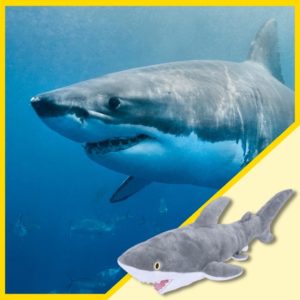 You can help protect sharks with a symbolic shark adoption! Your adoption gift will support Born Free USA’s work to fight captivity, illegal wildlife trafficking, and the shark fin trade. For only $60 a year or $7 a month, you can create a brighter future for these animals.
In addition to knowing you are protecting this species, you will receive an adoption package that includes a plush shark toy, an adoption certificate, a species info sheet, a photo of a shark in the wild, and updates about our campaigns work.
Keep Wildlife in the Wild,
Devan
Dear Reader,
We are a nonprofit committed to wildlife conservation, welfare, and rescue. Making resources free and widely distributed, like our news items, is an important part of our mission. If you found this article helpful, enjoyable, or enlightening, please donate to help keep these resources available, and Keep Wildlife In The Wild.
Thank You,
The Born Free USA Team
“>


 Dear Reader,