In West Africa, plastic pollution is one of the most critical environmental threats, causing severe impacts to both terrestrial and marine ecosystems. According to the World Bank, about 80% of plastic waste is mismanaged in coastal West African States. Nigeria alone generates around 4.7 million tons of plastic waste per year. In Dakar, Senegal, 5 million plastic bags are used daily and then discarded. Ghana, meanwhile, generates approximately 3,000 metric tons of plastic waste daily.
Plastic Consumption Is Projected to Increase across West Africa
Due to increasing urbanization and economic growth, plastic consumption is increasing in West Africa’s coastal countries. Plastic has become the primary material used for food and water packaging, generating massive amounts of plastic waste. Across the 15 West African countries, plastic consumption was estimated to be 7.9 million tons in 2021 and projected to increase to 12 million tons in 2026.
Plastic Waste Threatens Wildlife and Ecosystems
Plastic pollution affects West African coastal and estuarine ecosystems that are vital habitats for endangered and migratory species, including Critically Endangered hawksbill turtles, leatherback and green turtles, West African manatees, and Critically Endangered slender-snouted crocodiles. Ingestion of plastic occurs across a wide variety of species, from sea birds to whales and turtles, and can cause starvation, malnutrition, and death. Entanglement in fishing nets, ropes, and other materials can also cause severe injuries, amputations, and affect animals’ ability to hunt or move.
Born Free USA Has Initiated Community-Based Projects to Combat Plastic Pollution in West Africa
Communities in this area often lack access to viable plastic alternatives and lack awareness of the impacts of plastic pollution on wildlife and ecosystem services. Currently, initiatives to address riverine, marine and coastal plastic pollution in West Africa are often short-term, unsustainable and have limited impact.
This is why Born Free USA has initiated projects with integrated solutions that combine plastic reduction and alternatives, community livelihoods, biodiversity monitoring, and local enforcement, ensuring that conservation gains can be effectively sustained in the long-term.
As part of this initiative, 350 students from Ghana celebrated World Environment Day earlier this month, under the theme “Climate Action: Listening to the Earth’s Signals and Acting for Our Future.” The event brought together students, teachers, and key stakeholders to raise awareness about protecting threatened species, climate change, environmental conservation and sustainable community practices.
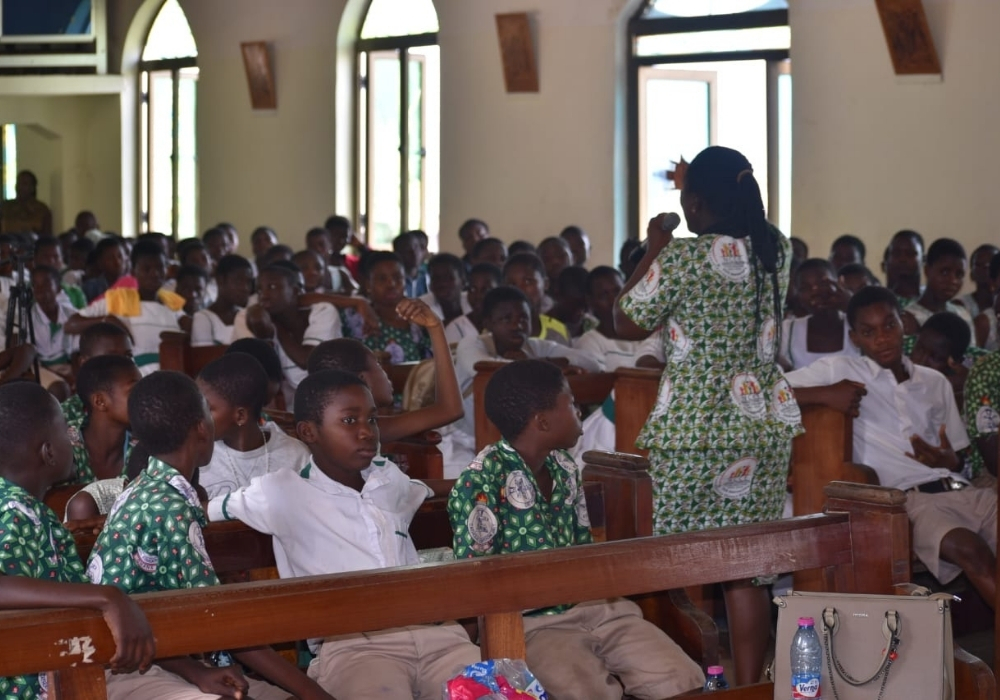
The celebration aimed to educate students on the importance of protecting the environment, reduce plastic use and waste, and encourage them to take practical actions towards building a sustainable future. Topics discussed included:
- Waste management, plastic pollution, environmental sanitation, and the importance of maintaining a clean environment.
- The effects of climate change on fisheries and coastal livelihoods, emphasizing the need for protection of marine resources.
- Environmental citizenship through active participation in protecting our natural heritage.
- Climate-related disasters, including flooding and storms, and the importance of disaster preparedness and community resilience.
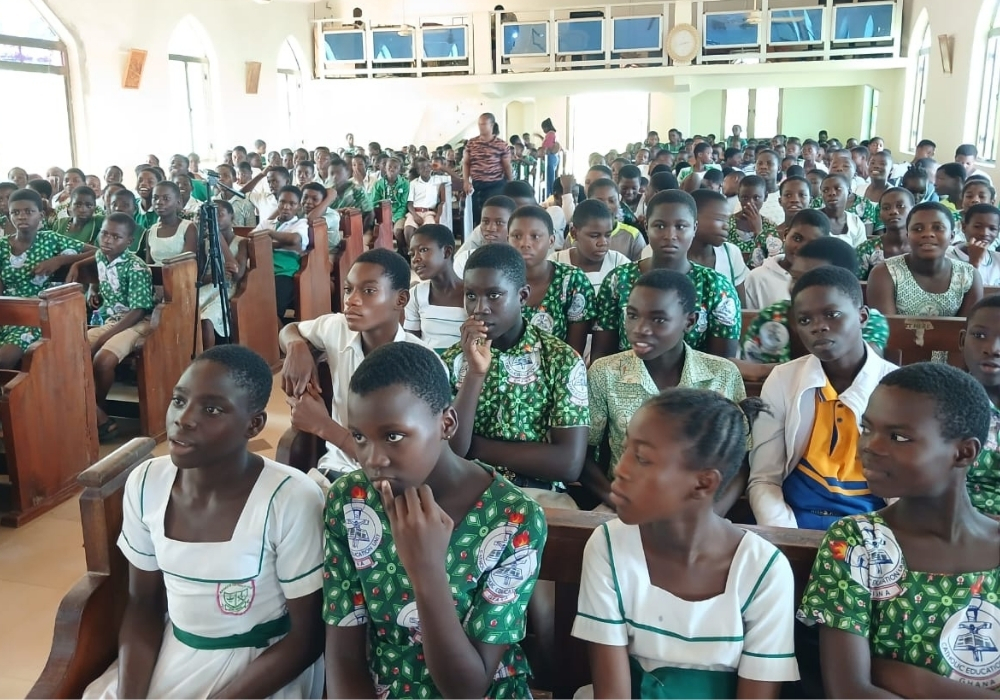
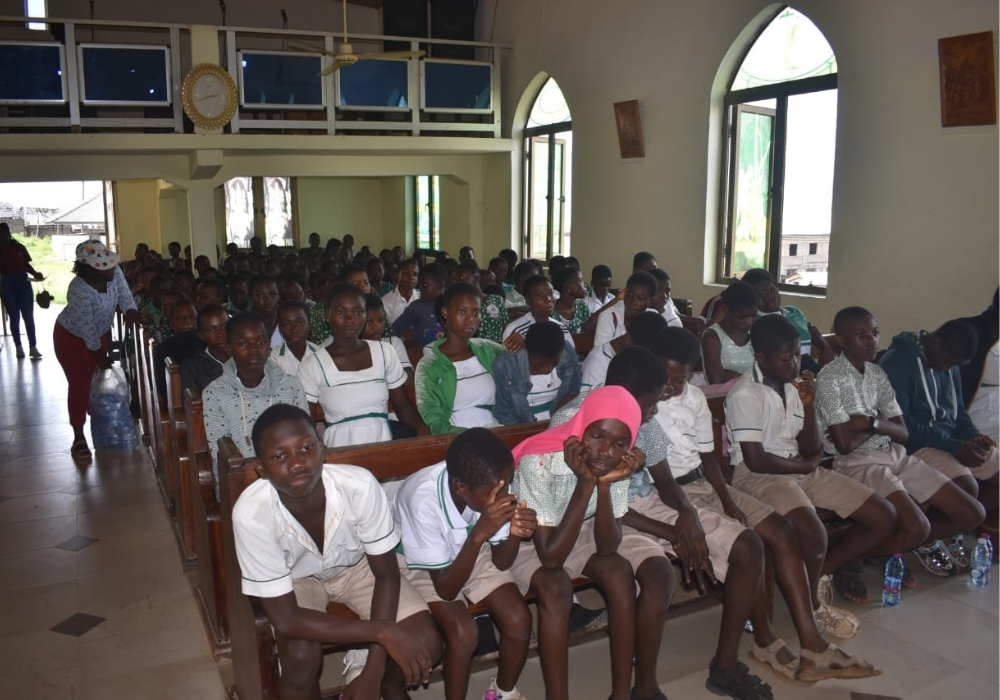
The World Environment Day 2026 celebration was led by BFUSA’s partners Earth Synergy Initiative, and other local stakeholders. Check out our latest Animals Issues Digest for more information about our work to protect marine species from plastic pollution in West Africa!
Keep Wildlife in the Wild,
Alice
Dear Reader,
We are a nonprofit committed to wildlife conservation, welfare, and rescue. Making resources free and widely distributed, like our news items, is an important part of our mission. If you found this article helpful, enjoyable, or enlightening, please donate to help keep these resources available, and Keep Wildlife In The Wild.
Thank You,
The Born Free USA Team


 Dear Reader,