The zoo industry has long studied the physiological and behavioral effects visitors can have on animal welfare. While some studies (many problematically sponsored by the zoo industry itself) have claimed that some species of animals can have positive or neutral experiences related to zoo visitors, many confirm that the presence of visitors can negatively impact animal welfare by causing spikes in stress, fear, and adverse, harmful, or atypical behaviors.
A study from 2019 determined that, after extensive literature review, most studies on this topic have concluded that the effects of visitors on animal behavior and welfare are negative. The researchers determined that most negative responses observed in zoo animals in the presence of humans are likely driven by fear, because in the wild, fear plays a crucial role in motivating animals to escape predators to avoid potentially harmful, life-threatening situations.
The Zoo Environment Robs Animals of Ways to Protect against Perceived Threats
Fear can be triggered by environmental stimuli that are unfamiliar to the animal and occur at a high intensity, like loud noises, large size, or sudden movement. Therefore, if zoo visitors behave in a way that is loud, fast, and unexpected in the presence of animals (as they often do- especially with children), these actions are likely threatening for many species kept at zoos. Sadly, many animals at zoos cannot engage in the same protective behaviors they would in the wild to escape potentially threatening stimuli and the excessive stress that simultaneously occurs, including fleeing, hiding, and avoiding, due to the spatial limitations and social constraints of zoo enclosures. Other behavioral changes that occur with visitor presence that can impact animals negatively include an increase in aggression and a decrease in play, foraging, grooming, general maintenance behaviors, and overall activity.
Zoos Acknowledge that Visitors Cause Stress to the Animals
Because many of these studies have occurred at zoos and/or been sponsored by zoos themselves, we know that zoos are aware of the overwhelming documented negative psychological and behavioral outcomes that can be caused by zoo visitors. Zoos publicly acknowledge this fact during behaviorally ‘fragile’ or ‘sensitive’ periods animals may experience, including births, mating events, deaths, and social introductions where they introduce a new member to an existing group, by prohibiting visitor access to the animal exhibits that may house animals undergoing any of these situations or posting signage asking visitors to be more ‘mindful’ of their behavior/noise level. At the same time, however, many zoos—while acknowledging that these events are extra sensitive to human presence and require additional privacy for the animals to remain healthy and minimize their stress levels—will allow exclusive access to smaller groups of visitors at a higher price for them to directly observe the animals as a sort of VIP ‘behind the scenes’ experience. In other words, zoos are knowingly exploiting the animals experiencing fragile states by profiting from them.
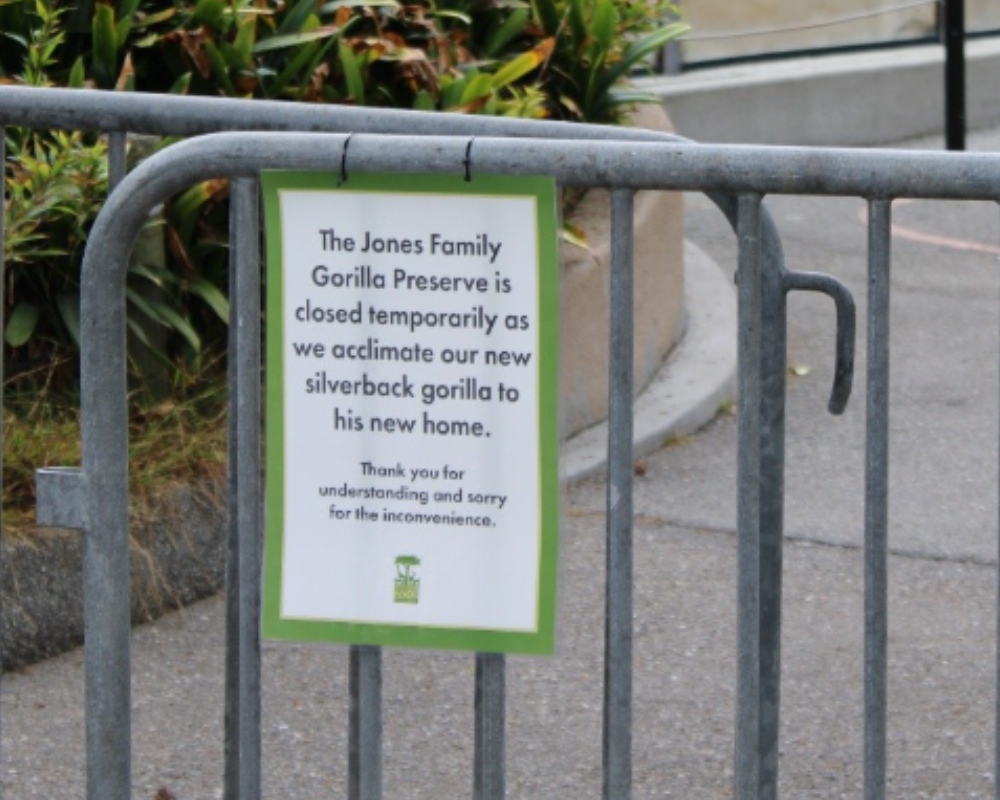
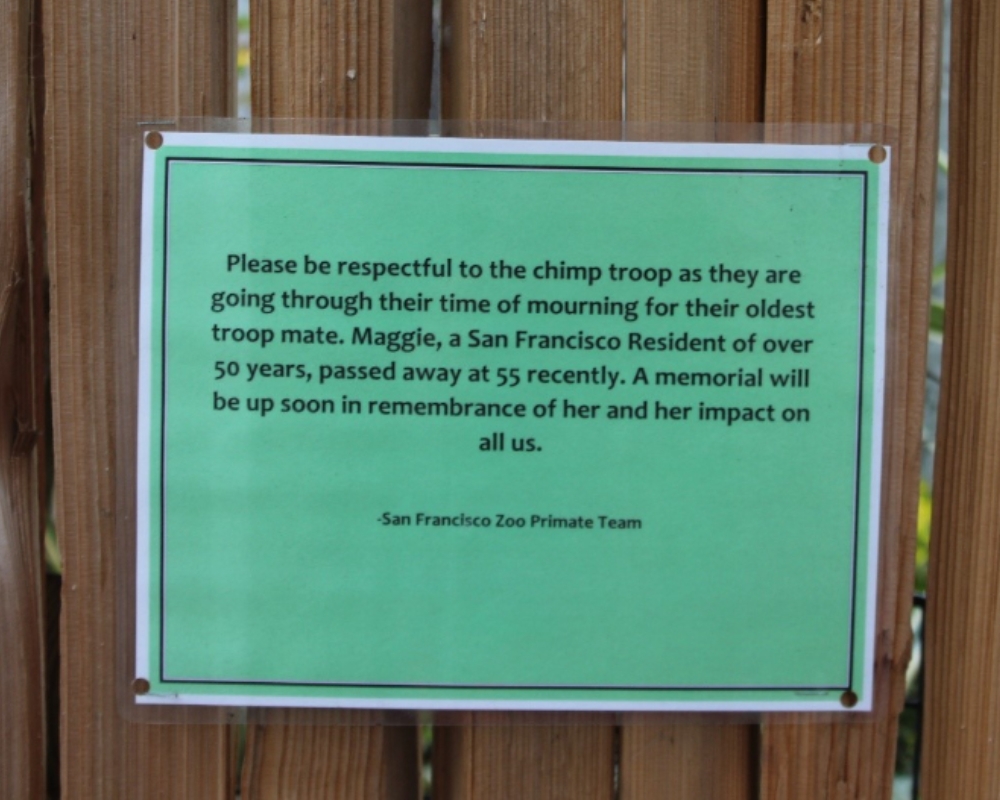
For example, when we were at the San Francisco Zoo in California for one of our undercover zoo investigations this year, the zoo had posted signs around the gorilla enclosure indicating that it was off exhibit due to a new silverback joining their troop to provide appropriate space for the gorillas to adjust to new troop dynamics in private. At the chimp enclosure, signs posted around the exhibit advised that visitors be patient with the potentially less active chimps here, as they were in mourning following the death of one of their troop members.
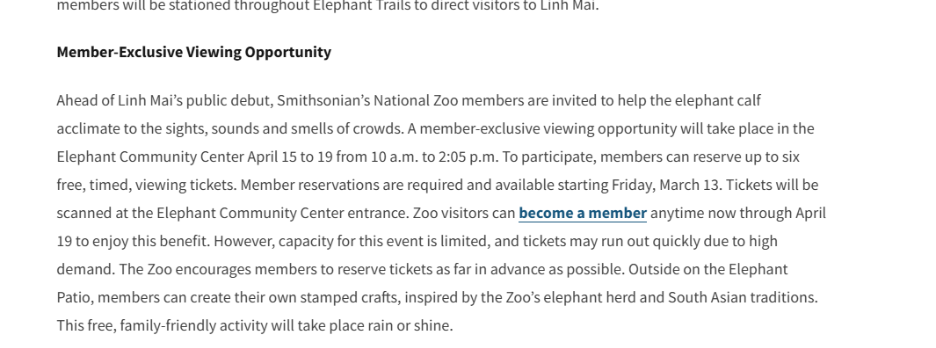
Similarly, during our visit to investigate the National Zoo in Washington DC, signs indicated that a baby elephant named Linh Mai had just been born and the exhibit was closed to help the group adjust to this change. Although one sign at the exhibit indicated that it was closed to the public to allow privacy for the mother and baby to bond properly, another sign stated that members of the Smithsonian Institute could attend a ‘special viewing’ of the baby and take pictures before the general public was granted access. Unfortunately, Linh Mai’s mother Nhi Linh ended up rejecting Linh Mai shortly after her birth in February 2026, and displayed aggression toward the calf by swinging her trunk, kicking, and throwing hay, prompting staff to separate them on February 12th. As the birth of Linh Mai was the first birth of an elephant at the National Zoo in over 25 years, mother Nhi Linh had never experienced or observed a birth or interacted with a calf before. Although requiring bottle feeding from zookeepers because Linh Mai’s mother would not nurse her, luckily, Linh Mai ended up bonding with two other female adult elephants in the group that have taken an interest in her following her mother’s rejection. Whether the presence of the public (albeit slightly limited) negatively affected this mother-daughter bonding, we will never know.
Punch the Monkey’s Online Popularity Brought Visitors to the Ichikawa Zoo, Showcasing the Problem of Crowds
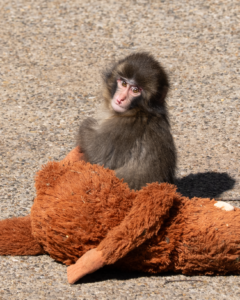
Most recently, we also saw this pattern of exploitation occur in Japan at the Ichikawa Zoo, where the viral monkey Punch has attracted record-breaking crowds at the primate exhibit following social media videos showing him being bullied by and isolated from the rest of his troop. Instead of limiting the number of visitors to help minimize the stress the monkeys were exposed to (potentially further exacerbating the situation), the zoo instead shared an announcement to remind zoo visitors to respect the animals by monitoring their volume, staying in areas designated by the zoo, and following animal viewing rules posted by the facility. Reports indicate that zoo visitor numbers have more than doubled after Punch’s story became viral; attention that (ironically) directly contributes to his suffering by increasing his stress level.
Thus, from these sad situations and countless undocumented others, we can infer that zoos perhaps value the financial gains some animals represent (especially those experiencing vulnerable, what may be deemed as ‘novel’ or ‘exciting’ periods by zoo visitors) over welfare.
Join us in refusing to support the exploitation of wild animals in captivity to put a stop to this insensitive, profit-hungry, and empathy-deficient industry.
Keep Wildlife in the Wild,
Devan
Dear Reader,
We are a nonprofit committed to wildlife conservation, welfare, and rescue. Making resources free and widely distributed, like our news items, is an important part of our mission. If you found this article helpful, enjoyable, or enlightening, please donate to help keep these resources available, and Keep Wildlife In The Wild.
Thank You,
The Born Free USA Team


 Dear Reader,