We recently shared blogs describing the potentially devastating changes proposed to the Endangered Species Act (ESA), which would severely hinder its ability to protect many fragile species from extinction.
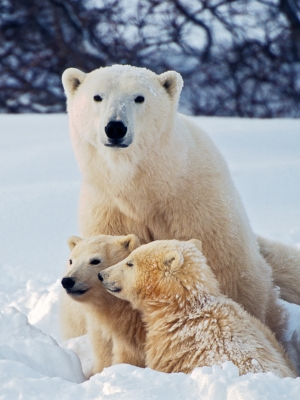
A similar set of amendments proposed to the Marine Mammal Protection Act (MMPA), which has historically worked harmoniously with the ESA, would strip critical protection from marine-dwelling mammals like whales, dolphins, seals, sea lions, walruses, manatees, sea otters, polar bears, and other species. If we allow the proposed changes to occur to this landmark law passed more than 50 years ago, we may witness these beloved animals disappear from our waters in real time.
The MMPA is Highly Effective
Since the MMPA’s passing in 1972, not a single marine mammal species in U.S. waters has gone extinct, even as commercialization of the ocean has increased. The act has helped facilitate impressive recoveries of species like North Pacific humpback whales, whose population increased from only a few thousand individuals in the 1970s to an estimated 21,063 individuals in 2006. Great white sharks and gray seals have also demonstrated notable population increases in recent years.
Proposed Amendments to the MMPA would Seriously Weaken Wildlife Protections
The proposed amendments reflect a largely anti-science, pro-fishing industry stance. They would weaken the current standards that aim to regulate activities that harass, harm, and kill marine mammals, by doing the following:
- Downgrading the goal of the MMPA from species recovery to mere species survival;
- Undermining and ignoring marine mammal biology by setting impossibly high standards with the aim of preventing action if research or data is imperfect, despite marine mammals already being difficult to study and monitor;
- Allowing harm, injury, and death to huge numbers of marine mammals across vast areas by weakening the previous MMPA definitions of “harm”, “disturbance”, and “harassment”;
- Eliminating protections for imperiled marine mammals killed by fishing practices; and
- Imposing major limits on authority to issue regulations on take and import or to invoke even simple conservation actions.
Overall, the amendments hamstring scientific processes that have proven successful for decades and could be the last line of defense against extinction; especially for species that have not yet fully recovered.
MMPA Changes would Make It Harder to Limit Indirect Harms to Animals
Further, the U.S. would only recognize protections for marine mammals where there has been a direct effect on them rather than include the indirect effects that are currently in the MMPA, despite activities like military sonar or offshore drilling being known to have profound impacts on marine mammals. With the proposed changes, it would become nearly impossible to regulate these activities in the name of protecting animals if marine mammal deaths are not directly observed or documented.
According to Scientific American, the sound waves produced by sonar can travel for hundreds of miles under water and retain an intensity of 140 decibels as far as 300 miles from their source, causing permanent injury or temporary deafness to the animals within this range. Evidence shows that whales will swim hundreds of miles, rapidly change their depth (leading to bleeding from the eyes and ears in some cases), and even beach themselves to get away from the sounds of sonar. For example, in January 2005, 34 whales belonging to three different species became stranded and died along North Carolina’s Outer Banks during nearby offshore Navy sonar training. The overall number of documented whale strandings likely represent a small fraction of sonar’s toll, as severely injured animals rarely make it to shore.
Marine Mammals Are Vital to Ecosystems as well as Economies
In addition to their inherent value as individuals with families and within the larger functioning ecosystem, these mammals are vital to economies; according to a 2020 study from NOAA, Alaska’s whale watching industry brings in more than $100 million annually. If these changes are passed, the short-term gain reaped by the fishing industry would come at a much larger long-term cost, as many of the animals that would lose protection from the MMPA are already vulnerable to other factors like climate change and would likely plummet further towards extinction. As long as we continue taking from the oceans, there is only a finite amount of what they can give. Let’s work to protect our oceans and the animals in them before we find out what their limit is.
Keep Wildlife in the Wild,
Devan
Take Action for Wildlife!
Please join us in advocating against the proposed changes to the MMPA.
Dear Reader,
We are a nonprofit committed to wildlife conservation, welfare, and rescue. Making resources free and widely distributed, like our news items, is an important part of our mission. If you found this article helpful, enjoyable, or enlightening, please donate to help keep these resources available, and Keep Wildlife In The Wild.
Thank You,
The Born Free USA Team


 Dear Reader,